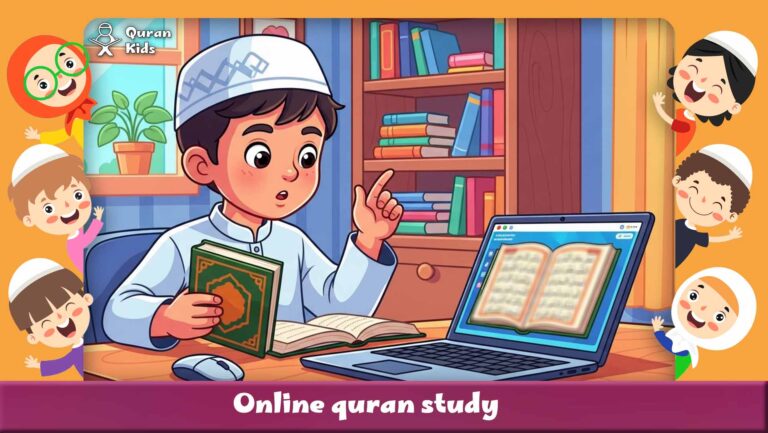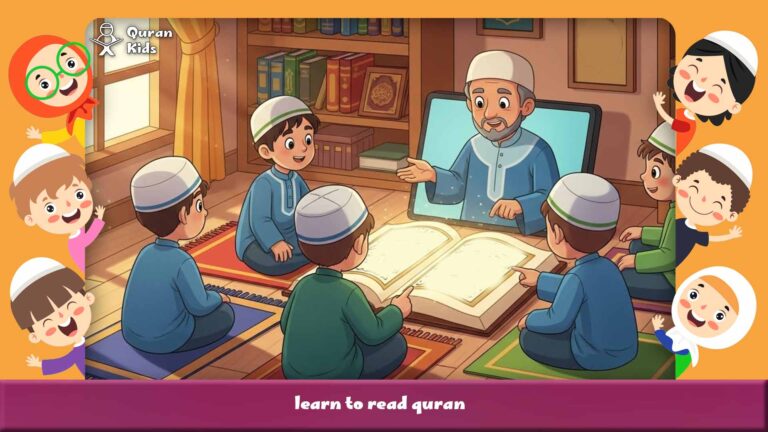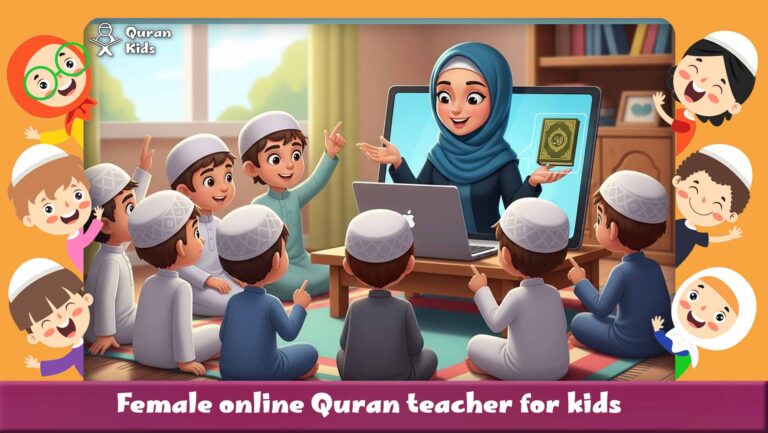
Free Trial Online Quran Class for Kids: What to Expect
A free trial online Quran Class for Kids is a practical way for parents to introduce their children to Quran learning before choosing a long-term online program. A trial lesson gives the child an opportunity to meet the teacher, experience the learning environment, and discover whether the teaching style feels comfortable and engaging.
For many parents, choosing an online Quran program is not simply about finding a convenient class. Instead, they want a safe learning environment, qualified teachers, age-appropriate lessons, clear communication, and a teaching method that keeps children interested. Therefore, a trial class can help families make a more confident decision.
At Quran Kids Academy, the learning experience can be designed around the child’s age, current reading ability, attention span, and Quranic goals. Moreover, introducing children to Quran learning through an enjoyable online environment can make the transition into regular lessons much easier.
Why Choose a Free Trial Online Quran Class for Kids?
A Free Trial Online Quran Class for Kids allows parents to evaluate an online Quran program before making a long-term commitment. Rather than relying only on advertisements or written descriptions, families can observe how the teacher communicates with the child and how the lesson is organized.
During the trial, parents can pay attention to several practical details:
- Does the teacher communicate clearly with the child?
- Does the child feel comfortable asking questions?
- Is the lesson suitable for the child’s age?
- Does the teacher correct pronunciation patiently?
- Are activities adapted to the child’s level?
- Does the lesson maintain the child’s attention?
- Is the online classroom easy for the child to use?
These details matter because children learn differently from adults. A lesson that works well for an adult beginner may feel too difficult or too serious for a young learner. Consequently, choosing a program designed specifically for children can make Quran learning more enjoyable and productive.
A trial lesson also gives parents an opportunity to understand what regular classes may look like. As a result, families can make their decision based on an actual learning experience rather than assumptions.
Start Learning Tafsir Classes Online Today
If you want to understand the Quran deeply with clear explanations and guided learning, now is the right time to begin your journey. Tafsir Classes Online at Quran Kids Academy provide structured lessons that simplify Quran meanings while helping students apply Islamic teachings in daily life.
In addition, experienced teachers support learners step by step to improve understanding, build confidence, and strengthen spiritual connection with the Quran. Users can also explore more related options.
Therefore, joining today can help you or your children gain authentic knowledge in a flexible and comfortable learning environment. Take the first step now and start building a stronger relationship with the Quran through guided tafsir education.

What Can Children Learn During a Free Trial Quran Class?
A Free Trial Online Quran Class for Kids does not need to cover a large amount of Quranic material. Instead, its main purpose is to introduce the child to the teacher, lesson structure, learning tools, and teaching approach.
Depending on the child’s age and ability, the introductory lesson may include:
- Arabic letter recognition.
- Correct pronunciation of basic letters.
- Short vowels and simple reading exercises.
- Introduction to Quranic words.
- Basic Tajweed concepts.
- Reading short verses.
- Revision of previously learned material.
- Simple memorization activities.
- Encouragement and positive feedback.
For a younger child, the teacher may focus more heavily on recognition, pronunciation, repetition, and listening. Older children, however, may benefit from more advanced recitation practice, Tajweed correction, or memorization.
The important point is that the trial should match the child’s current ability. A good introductory lesson should not overwhelm the student with complicated rules. Instead, it should help the teacher understand where the child should begin.
At Quran Kids Academy, this initial assessment can help create a learning path that reflects the child’s needs rather than placing every student into the same lesson structure.
How Does an Online Quran Trial Help Parents?
Parents often have several concerns before enrolling their children in online Quran classes. They may wonder whether the teacher is patient, whether the child will remain focused, and whether online learning can genuinely support correct Quran recitation.
A Free Trial Online Quran Class for Kids provides an opportunity to answer these questions through direct observation. Parents can listen to the lesson and notice how the teacher responds when the child makes a mistake.
Furthermore, parents can evaluate the overall communication between the teacher and student. For example, does the teacher encourage the child after an incorrect answer? Does the teacher explain pronunciation clearly? Does the teacher give the child enough time to respond?
These small details can make a significant difference in a child’s attitude toward learning.
Parents can also use the trial to understand:
- How long the child can comfortably remain engaged.
- Whether the child prefers one-on-one instruction.
- Which Quranic skills require the most attention.
- Whether the teaching environment feels welcoming.
- How the teacher communicates progress.
Therefore, a trial lesson should be viewed as an evaluation opportunity for both the family and the academy.
What Makes Quran Learning Online Suitable for Children?
Online Quran education can be particularly useful for families looking for flexibility. Children can attend lessons from home without spending additional time traveling to a physical learning center.
Moreover, studying from home can create a familiar environment for younger learners. The child can sit in a comfortable and quiet place, while parents remain nearby when necessary.
An effective online Quran program for children should nevertheless provide more than a video call. The teaching experience should include interaction, correction, repetition, and age-appropriate explanations.
For example, a young learner who is struggling with a particular Arabic letter may need to hear the correct pronunciation several times. The teacher can then ask the child to repeat it and provide immediate feedback.
This interaction is especially important when learning Quran recitation because pronunciation should be developed carefully from the beginning.
In addition, online lessons can help families maintain a regular schedule. When the lesson takes place at home, parents can often coordinate Quran study with school, homework, family activities, and other responsibilities more easily.
Free Trial Online Quran Class for Kids and Personalized Learning
Children rarely progress at exactly the same speed. Some learners recognize Arabic letters quickly, while others need more repetition before they become comfortable reading them.
A Free Trial Online Quran Class for Kids can help identify these differences at an early stage. Instead of assuming that every child needs the same lesson, the teacher can observe the student’s reading, listening, pronunciation, and memorization skills.
For example, one child may already know the Arabic alphabet but struggle with joining letters. Another may read simple words but need support with Tajweed. A third child may have memorized several short Surahs but require help improving pronunciation.
Consequently, the learning plan should reflect these differences.
A personalized approach may include:
- Different lesson lengths depending on age.
- Separate goals for reading and memorization.
- Gradual introduction of Tajweed.
- Regular revision sessions.
- Repetition for difficult sounds.
- Progress checks at suitable intervals.
- Learning activities appropriate for the child’s level.
This approach prevents children from feeling that Quran learning is either too difficult or too easy. Instead, lessons can gradually become more challenging as the student’s skills develop.
How Should Parents Evaluate a Free Trial Quran Lesson?
After attending a Free Trial Online Quran Class for Kids, parents should not evaluate the lesson only by asking whether the child memorized something new. The quality of the learning experience is broader than the amount of material covered.
Parents can consider the following questions:
Free Trial Online Quran Class for Kids: Was the Teacher Patient?
Children naturally make mistakes while learning. Therefore, patience is an essential quality in Quran education. The teacher should correct errors calmly and positively without making the child feel embarrassed or discouraged. A patient instructor can also repeat explanations when necessary and give the child enough time to understand and respond.
Free Trial Online Quran Class for Kids: Was the Lesson Age-Appropriate?
A successful children’s lesson should use explanations that match the child’s age and learning ability. Younger learners may require shorter activities, repetition, visual support, simple examples, and frequent encouragement. Moreover, the teacher should avoid introducing too many difficult concepts at once, allowing the child to develop Quranic skills gradually.
Free Trial Online Quran Class for Kids: Did the Child Participate?
A child who spends the entire lesson listening without participating may not receive the same benefit as a student who actively reads, repeats, answers questions, and interacts with the teacher. Therefore, parents should notice whether the class encourages the child to participate rather than simply watch the lesson.
Free Trial Online Quran Class for Kids: Was Pronunciation Corrected?
Correct pronunciation is an important part of Quran learning, particularly for children who are still developing their reading skills. The teacher should identify pronunciation mistakes, demonstrate the correct sound, and give the child an opportunity to repeat it. In this way, errors can be addressed before they become established habits.
Free Trial Online Quran Class for Kids: Did the Child Feel Comfortable?
Finally, parents should ask the child how they felt during the lesson. If the child enjoyed communicating with the teacher, felt comfortable making mistakes, and showed interest in attending another class, these are positive signs. In addition, a comfortable learning environment can help children develop greater confidence and remain motivated as their Quran studies progress.
What Should the Teacher Assess?
The trial lesson should also provide useful information for the teacher. Rather than treating it as a simple demonstration, the instructor can use the session to understand the child’s current level.
Several areas can be observed:
| Skill | What the Teacher Can Observe |
|---|---|
| Arabic recognition | Ability to identify letters |
| Pronunciation | Accuracy of individual sounds |
| Reading | Ability to combine letters and words |
| Tajweed | Existing knowledge of basic rules |
| Memorization | Ability to retain short passages |
| Attention | Ability to remain engaged |
| Communication | Confidence when answering |
| Revision | Ability to recall previous learning |
This initial assessment does not need to feel like a formal examination. Instead, it can take place naturally during conversation, reading practice, and simple exercises.
As a result, the child can begin learning without feeling pressured.
How Quran Kids Academy Can Support a Child’s Quran Journey
Quran Kids Academy can provide a child-focused environment where Quran learning is introduced gradually and clearly. The goal should not be to make children memorize as much as possible in the shortest period. Instead, the focus should be on developing accurate foundations and a positive relationship with Quran learning.
A well-structured children’s program can combine several important elements:
- Quran reading.
- Arabic letter recognition.
- Tajweed fundamentals.
- Quran memorization.
- Regular revision.
- Individual feedback.
- Age-appropriate teaching.
- Flexible scheduling.
Furthermore, children often respond positively when lessons are interactive. A teacher can use repetition, questions, examples, and encouragement to make the lesson more engaging.
The role of the teacher is therefore not limited to delivering information. The instructor also helps the child build confidence and develop consistent learning habits.
For parents, this means that choosing Quran Kids Academy should involve looking at the complete learning experience rather than focusing on a single feature.
What Parents Should Look for in an Online Quran Teacher
The teacher is one of the most important factors in a child’s Quran education. Even an excellent curriculum may not produce the desired experience if the instructor cannot communicate effectively with children.
Parents should therefore look for qualities such as:
- Strong Quran recitation skills.
- Knowledge of Tajweed.
- Experience teaching children.
- Patience and positive communication.
- Ability to explain difficult concepts simply.
- Respectful interaction.
- Consistent feedback.
- Ability to maintain the child’s attention.
In addition, a children’s teacher should understand that making mistakes is a normal part of learning. Instead of creating pressure, the instructor should guide the student toward improvement.
During a Free Trial Online Quran Class for Kids, parents can observe these qualities directly. This makes the trial particularly useful when comparing different learning options.
How to Prepare Your Child for an Online Quran Trial
A little preparation can make the first online lesson more comfortable. Parents should choose a quiet location where the child can hear the teacher clearly and participate without unnecessary distractions.
It is also helpful to check the internet connection, microphone, camera, and device before the lesson begins. Technical problems can interrupt the child’s concentration, particularly when the student is young.
Before the class, parents can explain that the lesson is simply an opportunity to meet the teacher and learn something new. There is no need to present it as a difficult test.
A simple preparation checklist includes:
- Prepare the device before class.
- Choose a quiet study area.
- Keep the Quran and learning materials nearby.
- Check the internet connection.
- Reduce background distractions.
- Encourage the child to ask questions.
- Avoid putting pressure on the child to perform perfectly.
As a result, the child can enter the lesson with a more relaxed attitude.
Free Trial Online Quran Class for Kids: Building Confidence Through Practice
One of the biggest benefits of an introductory Quran lesson is the opportunity to build confidence. Children who are new to online learning may initially feel nervous about reading aloud to a teacher.
A supportive teacher can gradually reduce this hesitation by beginning with simple questions and familiar exercises. Once the child becomes comfortable, the teacher can introduce more challenging reading or memorization tasks.
Confidence develops through successful repetition. For instance, when a child correctly pronounces a difficult letter after several attempts, positive feedback can encourage the student to continue.
Therefore, Quran learning should not be based entirely on correcting mistakes. It should also recognize improvement.
At Quran Kids Academy, maintaining a positive learning atmosphere can help children associate Quran study with progress, encouragement, and achievement.
What Is the Difference Between a Trial Lesson and Regular Quran Classes?
A trial lesson is generally an introduction rather than a complete learning program. Its purpose is to help the family understand the teaching environment and determine whether the program suits the child.
Regular classes, on the other hand, follow a longer-term learning plan. They can include structured reading practice, memorization, Tajweed, revision, and periodic progress evaluation.
The difference can be summarized as follows:
| Trial Lesson | Regular Classes |
|---|---|
| Introduces the teaching method | Follows a structured learning plan |
| Helps assess the child’s level | Builds skills progressively |
| Allows parents to evaluate the teacher | Provides continuous teacher guidance |
| Gives the child an initial experience | Develops long-term Quranic skills |
| Helps determine suitability | Tracks progress over time |
Consequently, parents should not expect a single introductory class to produce major learning outcomes. Its value lies in helping families determine whether the overall program is suitable.
How Can Children Stay Motivated During Quran Learning?
Motivation is especially important when teaching younger students. Children may lose interest if every lesson follows the same pattern or if the material feels too difficult. Therefore, introducing Islamic basics for kids through age-appropriate activities can help children understand the importance of their faith while keeping lessons engaging and accessible.
Teachers can maintain motivation by creating achievable goals. For example, a student might focus on mastering a group of letters, reading a short passage correctly, or reviewing a specific Surah. When children understand what they are expected to accomplish, each lesson can feel more manageable.
Small achievements can then become milestones that encourage continued effort. Positive feedback also helps children recognize their progress and become more comfortable with making mistakes during the learning process.
Parents can also support motivation at home by creating a consistent routine. However, Quran practice should not become a source of unnecessary pressure. A calm environment can make it easier for children to approach their lessons with confidence.
A balanced routine might include:
- Short daily revision.
- Listening to the assigned verses.
- Practicing difficult letters.
- Reviewing memorized Surahs.
- Celebrating genuine progress.
- Maintaining a positive attitude toward mistakes.
In this way, children gradually develop consistency rather than relying only on occasional intensive study.
Why Early Tajweed Practice Matters for Children?
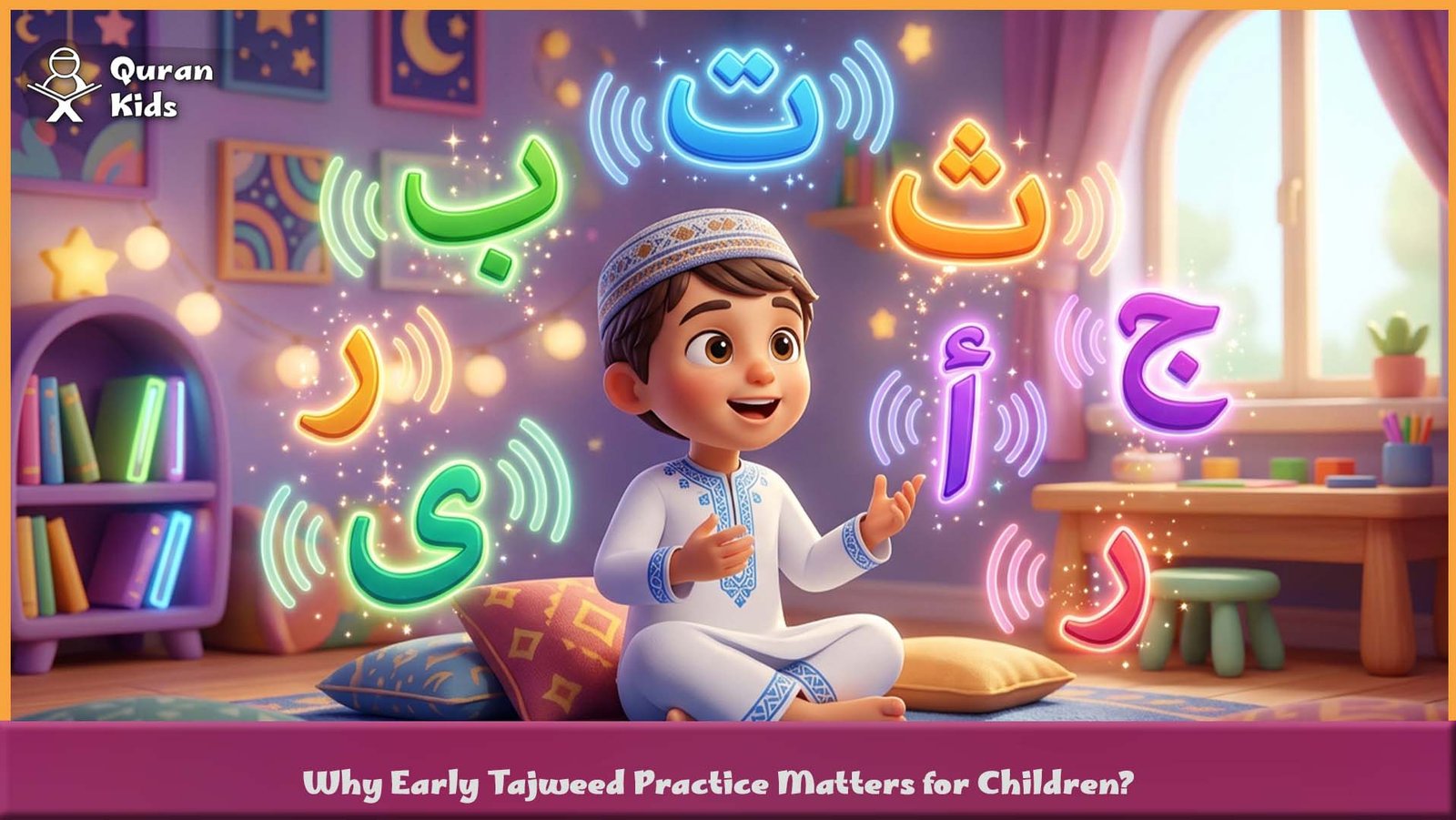
Tajweed should be introduced at an appropriate pace. Children do not necessarily need to memorize a long list of technical definitions before they begin applying basic rules. Instead, they can learn through repeated examples and guided recitation.
Teachers can also connect Quran lessons with age-appropriate Islamic knowledge. For example, introducing clear seerah for kids can help children learn about the life of Prophet Muhammad while developing a broader understanding of the values they encounter in their Quran studies.
Instead, the teacher can introduce simple concepts while the child is reading. For example, the instructor can demonstrate a sound, explain it briefly, and then allow the child to practice it. This practical approach can make Tajweed easier to understand and less overwhelming for beginners.
A child’s early Quran education may gradually include:
- Correct articulation of Arabic letters.
- Basic vowel sounds.
- Madd.
- Noon Sakinah.
- Meem Sakinah.
- Ghunnah.
- Rules encountered during regular recitation.
The exact sequence should depend on the child’s level. Therefore, a structured curriculum should introduce concepts progressively rather than presenting too many rules at once. Supporting lessons with suitable hadith studies for kids can also give children opportunities to learn Islamic teachings in a simple and age-appropriate format.
Free Trial Online Quran Class for Kids and Long-Term Progress
A Free Trial Online Quran Class for Kids can be the first step toward a consistent learning routine. However, meaningful progress generally depends on what happens after the introductory lesson. Parents can use the trial to understand the teaching style and determine whether the lesson format is suitable for their child’s age and current level.
Once a child begins regular classes, progress can be supported through clear goals and continuous revision. A structured learning environment can also help the student develop gradually without feeling overwhelmed by the amount of material.
For example, a learning plan may move through stages such as:
- Foundation
The child learns Arabic letters, basic sounds, and simple reading skills. - Reading Development
The student practices connecting letters and reading Quranic words more confidently. - Tajweed Application
Basic Tajweed principles are introduced and practiced during recitation. - Memorization
The child begins memorizing suitable Surahs according to their ability. - Revision and Improvement
Previously learned material is reviewed regularly to strengthen retention and pronunciation.
This gradual progression gives children a clear sense of direction. In addition, aqeedah classes for kids can complement their Quran education by introducing foundational Islamic beliefs in a manner appropriate for their developmental stage.
How Can Parents Support Quran Learning at Home?
Online lessons become more effective when children receive appropriate support between classes. Parents do not need to become Quran teachers themselves. Instead, they can create an environment that encourages consistent practice and makes Quran learning part of the child’s routine.
For example, parents can establish a specific time for Quran revision each day. Even a short period of focused practice can be useful when maintained consistently. Families can also encourage children to listen to the assigned verses before practicing them independently.
Parents can also listen while the child reads, encourage the student to repeat difficult words, and remind them of upcoming lessons. This type of support can help children remain connected to their learning without turning practice into a stressful task.
However, correction should be left to the teacher when the parent is uncertain about pronunciation. Incorrectly correcting a child can sometimes create additional confusion.
The most helpful parental role is often to provide encouragement, organization, and consistency. Parents may also follow the teacher’s recommendations regarding revision and practice so that home activities remain connected to the child’s online quran classes program.
Choosing Quran Kids Academy for a Child’s Online Learning
Selecting an online Quran academy requires careful consideration. Parents should examine the teaching approach, teacher experience, curriculum structure, scheduling options, communication, and suitability for children.
Quran Kids Academy can be positioned as a child-focused learning option for families looking for an organized online Quran experience. Before choosing a long-term program, parents can also consider how teachers communicate with children and whether lessons provide sufficient opportunities for reading, recitation, memorization, and revision.
Before making a long-term decision, parents can consider whether the academy provides:
- Lessons designed for children.
- Qualified Quran teachers.
- Individual attention.
- Recitation correction.
- Tajweed instruction.
- Memorization support.
- Regular revision.
- Flexible online learning.
- Clear communication with parents.
Most importantly, the child should feel respected and encouraged throughout the learning process. A supportive teaching environment can help children develop confidence and maintain a positive relationship with Quran learning as they progress.
Free Trial Online Quran Class for Kids: Questions Parents Should Ask
Before enrolling, parents may want to ask the academy several practical questions. These questions can prevent misunderstandings later and help families determine whether the program matches their expectations.
Useful questions include:
- How is the child’s Quran level assessed?
- How are lessons adapted to different ages?
- How often will parents receive progress updates?
- How does the teacher handle repeated pronunciation mistakes?
- What happens if the child misses a scheduled class?
- How are memorization and revision balanced?
- What learning materials does the child need?
- How can parents communicate with the teacher?
Getting clear answers is valuable because every child has different needs. Moreover, transparent communication helps establish realistic expectations before regular classes begin.
Why a Child-Friendly Learning Environment Matters
Children learn more confidently when they feel safe making mistakes. In Quran education, this is particularly important because recitation requires repeated practice.
A child may pronounce a letter incorrectly several times before mastering it. If the learning environment feels intimidating, the student may become reluctant to read aloud.
Conversely, encouragement can turn mistakes into opportunities for learning.
A child-friendly environment should therefore include:
- Respectful communication.
- Patient correction.
- Positive reinforcement.
- Age-appropriate explanations.
- Opportunities for questions.
- Clear learning goals.
- Reasonable expectations.
These elements can make online Quran learning feel less like a formal academic task and more like a meaningful learning experience.
When Is It Time to Continue?

After completing the trial, parents should consider both the child’s reaction and the teacher’s assessment.
If the child feels comfortable, participates actively, and shows interest in continuing, the trial may indicate a good fit. Similarly, if the teacher identifies a clear starting level and explains a realistic learning path, parents have useful information for making their decision.
Nevertheless, one lesson cannot answer every question. Families should also consider the academy’s long-term curriculum, scheduling, communication, and overall approach.
The most important goal is not simply finding the easiest class. Instead, parents should choose an environment where the child can develop accurate Quran reading skills while maintaining a positive attitude toward learning.
Frequently Asked Questions About Free Trial Quran Classes for Kids
Here are some common questions parents may have about free trial Quran classes for kids, including lesson structure, teacher support, learning goals, and how to continue after the trial.
1. At what age can a child start online Quran lessons?
Children can begin Quran learning at different ages depending on their language development, attention span, and readiness to participate in an online lesson. Younger children may start with short sessions focused on Arabic letters, sounds, listening, and simple repetition.
2. Should a child know Arabic before joining an online Quran class?
No. A child does not necessarily need previous Arabic knowledge. Beginner programs can introduce Arabic letters, pronunciation, and basic reading gradually before moving toward Quranic recitation.
3. How can parents know whether their child is ready for one-on-one online learning?
A child may be ready when they can listen to simple instructions, respond to questions, remain engaged for a short period, and participate with limited parental assistance. The trial lesson can also help determine whether the format suits the child.
4. Can siblings learn Quran together online?
Yes, siblings can sometimes study together, but this depends on their ages, Quran levels, learning styles, and the academy’s teaching structure. If their abilities differ significantly, separate lessons may provide more suitable instruction.
In conclusion, a free trial online Quran Class for Kids gives families a practical way to explore online Quran education before beginning a regular learning program. Instead of making a decision based only on advertisements or promises, parents can observe the teacher, evaluate the learning environment, and see how their child responds to the experience.
For children, the right learning environment should combine patience, accurate Quran instruction, age-appropriate explanations, regular practice, and positive encouragement. Furthermore, lessons should develop both technical skills and confidence so that children gradually become more comfortable with Quran reading and memorization.
Quran Kids Academy can serve families looking for a child-focused approach to online Quran education. By starting with an introductory experience and then building a structured learning plan, parents can give their children a clearer path toward stronger recitation, Tajweed, memorization, and long-term Quran learning.
Ultimately, the best Quran program is not necessarily the one that promises the fastest results. Rather, it is the one that helps a child learn correctly, remain motivated, and develop a lasting connection with the Quran. A well-planned beginning can therefore become the foundation for a rewarding and consistent Quran learning journey.