
The Best Online Hifz Classes for Kids: Start Quran Memorization Today!
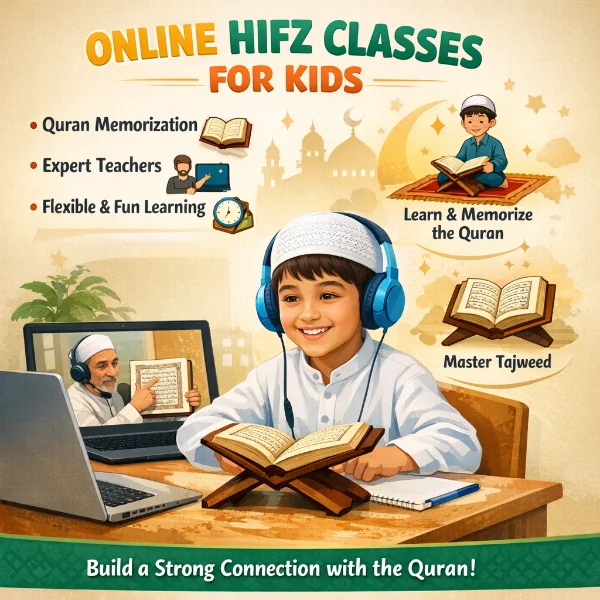
Are you looking for a structured and effective way for your child to memorize the Quran? Online Hifz classes for kids offer a flexible and interactive learning environment tailored to the unique needs of children. These programs combine personalized lessons, expert guidance, and proven memorization techniques to help your child not only memorize the Quran but retain it for the long term. With flexible schedules and engaging sessions, children can build a lasting relationship with the Quran, mastering Tajweed and memorizing verses at their own pace.
Start your child’s Hifz journey today with expert teachers and a personalized learning plan! Click below to enroll now and receive a free trial!
Benefits of Online Hifz Classes for Kids
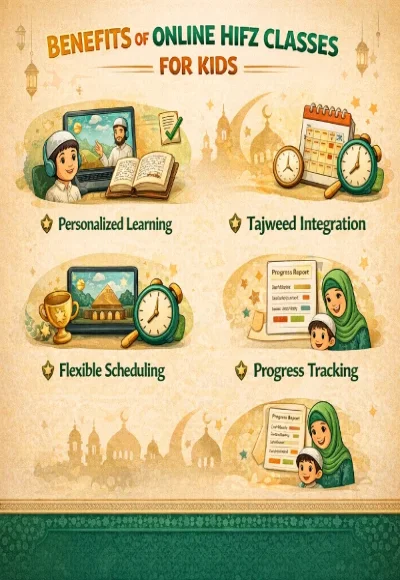
- Personalized Learning: Every child receives individual attention from qualified Quran teachers, ensuring that lessons are adapted to their learning style and pace.
- Tajweed Integration: Tajweed rules are taught alongside memorization, ensuring that children learn to recite the Quran with proper pronunciation and accuracy.
- Flexible Scheduling: Online classes are available seven days a week, allowing your child to learn at their convenience without interrupting their school or extracurricular activities.
- Engaging Learning Tools: Interactive games, quizzes, and challenges make memorization fun, keeping children motivated and engaged throughout their learning journey.
- Progress Tracking: Parents can track their child’s progress with weekly reports that highlight the verses memorized, areas requiring review, and any Tajweed corrections.
Don’t wait! Start your child’s Quran memorization journey today with a proven, structured curriculum. Enroll now and get a free trial!
How a Realistic Hifz Plan Is Actually Built
Memorizing the entire Quran is a multi-year commitment, and pretending otherwise sets families up for frustration. We build a plan around each child’s actual pace, some memorize quickly but forget just as fast without heavy revision, others move slower but retain everything solidly. The plan adjusts based on what we observe in the first few weeks, not a fixed template applied to every student.
New Memorization vs. Revision, Why Both Matter Equally
New memorization (hifz jadeed) without consistent revision (muraja’ah) is the single biggest reason children lose what they’ve memorized over time. Our structure dedicates real class time to revision, not just new verses, because a child who’s memorized twenty juz but can’t recall the first ten reliably hasn’t actually achieved much. We track revision cycles just as carefully as new memorization progress.
What a Weekly Schedule Typically Looks Like
- New memorization sessions: small, manageable portions per day rather than large chunks that don’t stick.
- Recent revision: reviewing the last few weeks’ material to lock it into longer-term memory.
- Old revision: cycling back through previously memorized sections to prevent forgetting over months and years.
Why Tajweed and Hifz Go Together
Memorizing verses with incorrect pronunciation just means memorizing mistakes permanently, they’re much harder to correct once they’re locked in through repetition. That’s why we strongly encourage pairing this program with our Tajweed Academy, especially early on, so a child memorizes correctly the first time rather than needing to unlearn errors later.
Handling Setbacks and Slow Periods
Every hafiz-in-progress hits stretches where progress feels slow or a child seems to forget more than they’re gaining. This is normal, not a sign something’s wrong. Teachers adjust the pace during these periods rather than pushing through, and parents get honest updates about what’s actually happening rather than vague reassurance.
What Comes After Completing Hifz
Many students who complete or nearly complete memorization move toward our Ijazah Course for formal certification of their recitation, since accurate memorization paired with certified Tajweed is exactly what that process requires.
Frequently Asked Questions
How long does memorizing the full Quran usually take?
It varies enormously by age, pace, and daily consistency, but most students following a steady program take several years; there’s no fixed universal timeline.
What happens if my child forgets memorized verses?
This is expected and normal, that’s exactly why structured revision is built into every week, not treated as optional.
Does my child need to know Tajweed before starting Hifz?
It helps significantly, and we often recommend starting them together so verses are memorized correctly from the start.
How many hours per week does this typically require?
It depends on the pace chosen, but consistency matters far more than long single sessions, shorter, daily practice usually outperforms occasional long sessions.
How We Keep Kids Motivated Across a Multi-Year Journey
Long-term memorization can start to feel endless to a child, especially once the early excitement fades. We mark milestones clearly, completing a juz, finishing a particularly long surah, reaching a revision benchmark, so progress feels tangible rather than abstract. Small, genuine celebration of these milestones matters more than most families expect for keeping a child’s motivation steady over years rather than months.
What Parents Can Do to Support Daily Practice
Hifz depends heavily on daily repetition, and a teacher alone can’t provide that outside of class time. Parents don’t need Arabic fluency to help, simply listening to a child recite their current portion for a few minutes daily, even without being able to correct mistakes, reinforces memory and shows the child this matters beyond the scheduled class.
Adjusting Pace for Different Students
Some children memorize a page a day comfortably; others need several days per page to retain it solidly. Neither pace is wrong, we build the plan around what’s sustainable for that specific child rather than comparing them to a generic benchmark. Pushing an unrealistic pace tends to produce shaky memorization that falls apart under revision, which defeats the purpose.
How This Connects to Certification Later
Strong, well-revised memorization paired with accurate Tajweed is exactly what’s needed for students who later pursue our Ijazah Course, so the discipline built here directly supports that path for families who choose to pursue it.
Handling the Emotional Ups and Downs of Long-Term Memorization
It’s normal for a child to feel proud one month and discouraged the next, especially after a difficult revision cycle. We treat this as a normal part of the process rather than something to fix quickly, acknowledging the frustration honestly while gently keeping the daily routine going, since consistency through a rough patch usually matters more than any single motivational conversation.
Why We Don’t Recommend Rushing Toward a “Finish Line”
Some families are focused heavily on completing the full Quran by a specific target age, which can create pressure that actually undermines retention. We encourage families to think of Hifz as a lifelong relationship with the Quran rather than a race to a finish line, since memorization done too quickly, without solid revision, often needs to be redone later anyway.
Balancing Hifz With School and Other Responsibilities
Children juggling school, sports, and family life need a realistic Hifz schedule that doesn’t crowd out everything else or lead to burnout. We work with families to find a sustainable daily rhythm, adjusting during exam periods or particularly busy stretches rather than treating the schedule as rigid and unchangeable.
Why We Track Revision as Closely as New Memorization
A hafiz’s real strength shows up years later in how much they’ve retained, not how quickly they first memorized. That’s why our tracking weighs consistent, successful revision just as heavily as new progress, giving families an honest picture of retention rather than a number that only counts pages memorized once.
Reach out and we’ll talk through a realistic starting plan for your child based on their age, current reading level, and your family’s goals, with no pressure to commit to a specific pace before you’ve seen how the first few sessions actually go.
What Will Your Child Learn in Online Hifz Classes?
Online Quran Classes for kids are designed to teach not just memorization, but also how to retain and self-correct. Your child will develop essential skills such as Quranic listening, Tajweed awareness, and the ability to identify and fix mistakes in their recitation.
Listening-Based Memorization
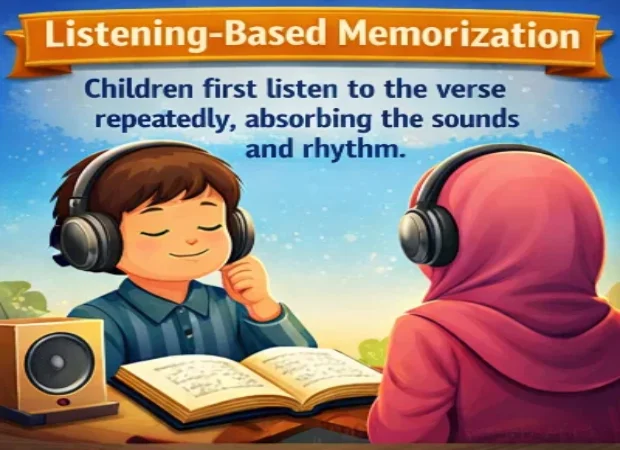
Listening-based memorization is one of the most effective methods in online Hifz classes for kids because children naturally absorb sound before they fully rely on reading. Before a child is asked to memorize a new ayah, the verse is recited clearly multiple times so they become familiar with its tone, rhythm, pauses, and pronunciation. This repeated exposure helps the Quran settle in the child’s memory in a natural way, making memorization smoother and less stressful. Instead of forcing children to struggle with unfamiliar verses, this method prepares their ears and minds first, which increases confidence and improves recall. It is especially helpful for younger learners who respond more quickly to repetition and guided listening than to text-heavy instruction.

Gamified Review
Gamified review makes Quran revision more enjoyable and more effective for children. In many online Hifz classes for kids, review is not presented as a dull repetition exercise, but as an interactive experience that keeps learners excited and involved. Teachers may use verbal challenges, memorization games, reward systems, timed recitation activities, or simple quiz formats to encourage children to revise previously memorized surahs. This makes muraja’ah feel less like a test and more like an achievement-based activity. Since review is the key to strong retention, making it fun increases the likelihood that children will stay consistent and remember what they have learned for the long term. Gamified review also boosts confidence, encourages participation, and creates a positive emotional connection with Quran memorization.

Short Daily Sessions
Short daily sessions are essential in online Hifz classes for kids because children learn best through consistency rather than pressure. A focused lesson of 20 to 30 minutes is often far more productive than a long session that leaves the child mentally tired. These shorter classes match the natural attention span of young learners and make it easier for them to stay alert, engaged, and motivated. Daily practice also turns Quran memorization into a healthy routine instead of an occasional task. With a balanced structure that includes new memorization, guided repetition, and brief revision, children can make steady progress without feeling overwhelmed. This approach supports long-term retention and helps families maintain a realistic schedule that fits alongside school and other responsibilities.

Tajweed Application
In effective online Hifz classes for kids, Tajweed is not treated as a separate subject that comes later. It is built directly into the memorization process from the very beginning. As children learn each new verse, they are also taught how to pronounce the letters correctly, where to elongate sounds, when to apply nasalization, and how to recite with clarity and accuracy. This prevents the formation of bad habits that can become difficult to fix later. Learning Tajweed during memorization helps children connect correct recitation with every ayah they commit to memory. Over time, they do not just memorize more Quran, but also develop a stronger and more beautiful recitation style that reflects care, precision, and respect for the words of Allah.
What Will Your Child Achieve in the Online Hifz Program?

Mastery of Juz Amma:
Most children complete Juz Amma in 3 to 8 months, depending on their age and study frequency. The focus is on deep, retained memorization, not speed.

Self-Correction Skills:
Through regular practice, children will learn how to spot and correct their own mistakes, which builds confidence and self-reliance in Quranic recitation.

Long-Term Retention:
Instead of rushing through large portions of the Quran, children memorize in small, manageable chunks, ensuring they retain what they learn for the long term.

Increased Confidence in Recitation:
As children practice in a supportive, low-pressure environment, they gain confidence in reciting in front of family and peers, especially during Salah or family gatherings.

Frequently Asked Questions (FAQ)
What age is best to start online Hifz classes for kids?
Children as young as 4-6 years old can start, provided they can focus for short sessions. Most students begin between 6-8 years old.
Does the program include Tajweed?
Yes, all online Hifz classes incorporate Tajweed rules to ensure accurate pronunciation from the very beginning.
How do I track my child’s progress?
- Parents receive weekly progress reports showing which verses have been memorized, which need review, and any Tajweed corrections.
Get started today and watch your child develop a deep connection with the Quran, building habits that last a lifetime. Click here to enroll now!