How to Learn Quran at Home: 7 Steps for Kids in Canada
quran kids is dedicated to guiding young learners and their families in Canada. We offer a structured path demonstrating how to learn quran at home effectively and joyfully. This approach combines expert instruction with a comfortable, familiar environment for children worldwide.
Establishing the Ideal Study Environment for Quranic Focus
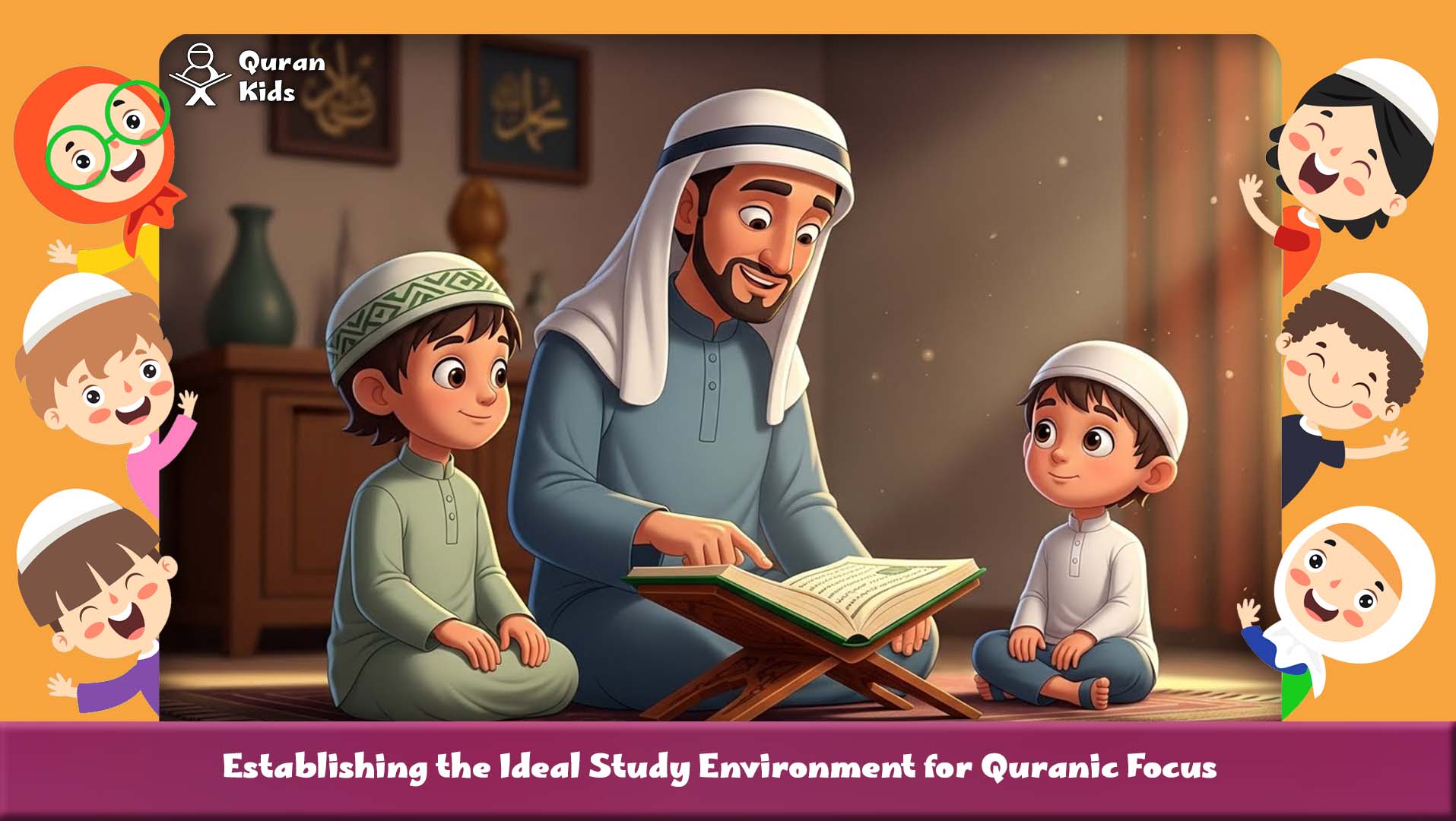
Success in learning the Quran at home depends significantly on creating a dedicated, tranquil space. This physical preparation helps the child mentally transition into a state of serious study and worship.
Designing a Peaceful, Dedicated Learning Space
Parents must select a part of their home that is quiet, clean, and free from the daily traffic and noise of family life. Therefore, this physical separation helps the child focus their mind entirely on the sacred task of learning the Quran.
Furthermore, this space should be kept clean and used only for study to ensure the child minimizes external distractions. Consequently, setting up this dedicated corner is the essential first step in understanding how to learn quran at home successfully.
Removing All Digital and Physical Interruptions
During the scheduled study time, all unnecessary gadgets, including phones and TVs, must be removed or silenced. Therefore, parents should politely inform other family members that this is the child’s dedicated learning time to minimize any interruptions.
Furthermore, minimizing interruptions ensures the child’s mind remains focused, allowing for better retention of new material. Consequently, managing digital and physical distractions is critical for any child attempting to figure out how to learn quran at home.
Start Your Child’s Structured Quran Journey Today
Do you want your child in Canada to build a deep, lasting connection with the Quran, guided by expert scholars? Structured, one-on-one instruction is the most effective way to ensure accuracy and confidence.
quran kids offers specialized programs focused on Tajweed and Hifz for young learners. Thus, enroll now to discover this program at home efficiently and correctly.
Online Quran Academy
quran kids is a leading online academy providing authentic Quranic education to children in Canada, the USA, the UK, and globally. We specialize in connecting students with expert male and female tutors, many of whom are graduates of prestigious Islamic institutions like Al-Azhar University.
Our mission is to simplify the process of understanding and memorizing the Holy Quran by bringing expert knowledge directly to your home.
The Importance of Consistent Practice and Scheduling
Consistency, not intensity, is the most powerful tool for memorization and retention, especially for young children. Building a predictable, daily routine is the backbone of successful home learning.
Adopting the ‘Little and Often’ Principle
Steady, daily practice, even if short, is far more valuable than long, infrequent study sessions that lead to burnout. Therefore, parents should aim for short, focused sessions, perhaps 10 to 15 minutes every day, to build a stronger habit. Furthermore, this principle reflects the spiritual value of consistent, beloved deeds, even if they are few.
Consequently, practicing for a few minutes daily is the most effective way to achieve long-lasting success in how to learn quran at home.
Anchoring Quran Time to Daily Prayers
The most effective way to establish a lasting habit is by connecting it to an existing one, like the five daily prayers. Therefore, parents should designate specific “golden minutes” immediately following a prayer, such as Fajr or Isha. Furthermore, this method transforms study from a mere task into a seamless continuation of worship, enhancing the spiritual blessing of the time. Consequently, anchoring the schedule ensures the child maintains consistent discipline in how to learn quran at home.
The Essential Toolkit for Home Study Success
Having the right physical and digital resources at hand makes study sessions productive, ensuring the child can focus on mastering the material rather than scrambling for tools.
Utilizing Core Physical Learning Resources
The child’s core toolkit should include essential tangible aids for perfecting recitation. Therefore, a color-coded Tajweed Mushaf is highly helpful, providing a constant visual reminder of rules like nasal sounds (Ghunnah).
Furthermore, using a foundational text like the Noorani Qaida helps perfect the pronunciation of each letter (Makharij) before moving to full verses. Consequently, these resources simplify the complexities involved in knowing these classes at home.
Leveraging Digital Aids for Practice and Tracking
Technology provides unparalleled support for tracking progress and ensuring authentic recitation. Therefore, students should use a dedicated Quran App that allows them to loop a single verse for repeated practice, which is invaluable for memorization. Furthermore, a simple voice recording tool helps the child track their progress and compare their recitation with the teacher’s correction.
Consequently, technology makes the learning process dynamic and provides instant feedback on how to learn quran at home.
Why a Qualified Online Tutor is Indispensable for Accuracy
Learning at home does not mean learning in isolation. Engaging a qualified online teacher is the single most important pillar to ensure the child learns correctly and efficiently.
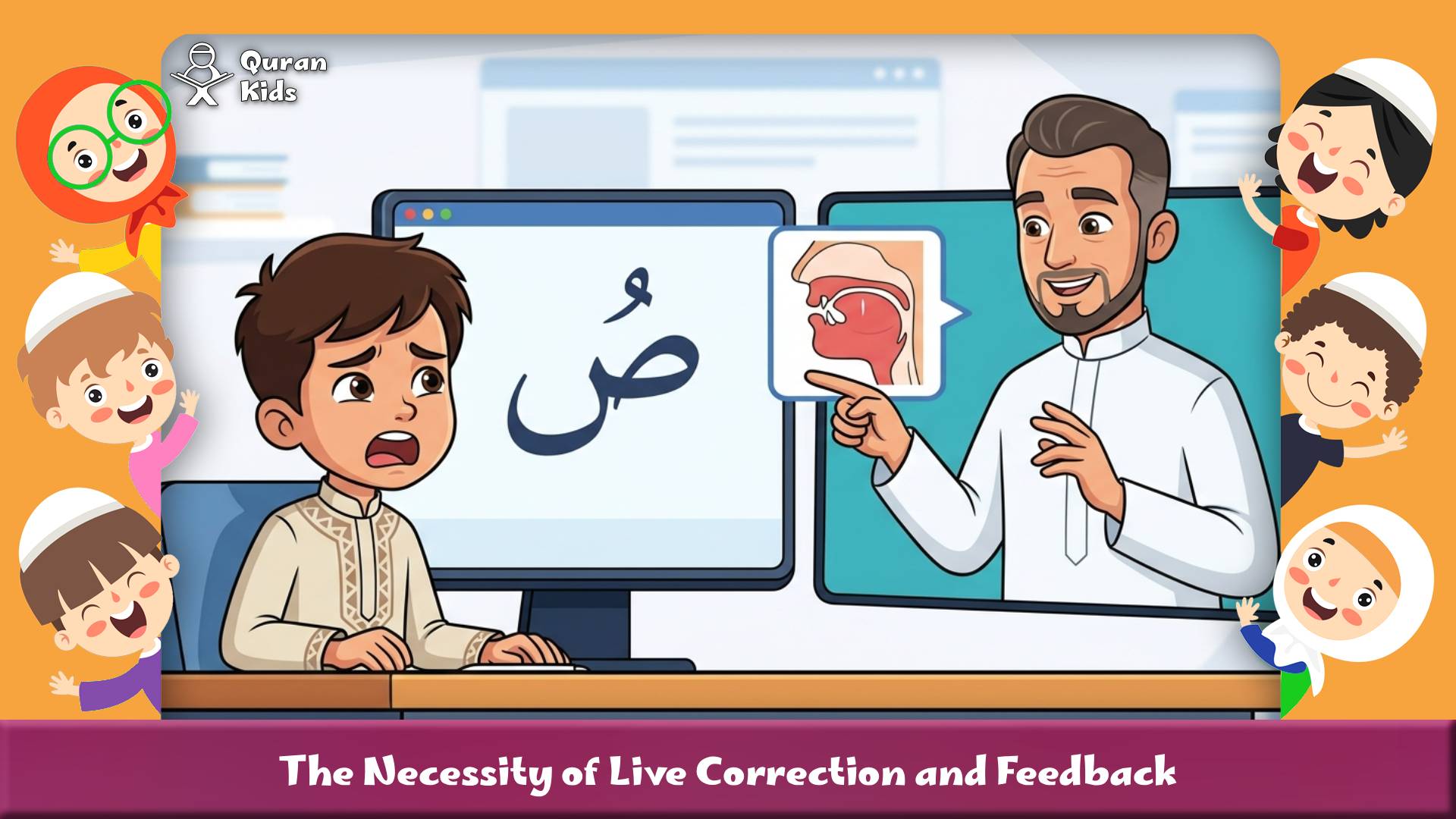
An expert teacher provides the live, immediate correction and feedback that self-study cannot offer. Therefore, the teacher catches mistakes in pronunciation and Tajweed before they become ingrained, unlearning habits that are hard to correct later.
Furthermore, a mentor provides the crucial accountability and structure that is difficult for a child to maintain alone. Consequently, seeking knowledge from qualified people is the vital step in understanding how to learn quran at home authentically.
read more: qualified quran tutors
Learning from Certified Egyptian and Arab Scholars
We ensure the highest quality of instruction by connecting students with expert, certified tutors. Therefore, many of our Hafiz Quran teachers are highly qualified graduates of prestigious Islamic institutions, holding Ijazah certifications.
Furthermore, these specialized teachers possess expertise in guiding non-Arab students in the online setting, ensuring effective and clear lessons. Consequently, learning from verified scholars guarantees the authenticity of the child’s instruction on such a course at home.
Effective Self-Study Structure: The PPP Model
The time a child spends practicing alone between scheduled classes must be structured to maximize retention and prevent aimless practice. The Prepare, Practice, Perfect (PPP) model offers clear focus.
Adopt the Prepare, Practice, Perfect (PPP) Model
This model ensures the study time has a clear beginning, middle, and end, ensuring a comprehensive skill review. Therefore, the session begins with a review (Prepare) of perfected verses to reinforce long-term memory.
Furthermore, the child focuses on new assignments (Practice), breaking them down by reading for shape, then Tajweed, then smoothness. Consequently, the session ends by listening and imitating a master Qari (Perfect), which refines the child’s delivery on how to learn quran at home.
Focusing on Comprehension and Connection
Recitation gains depth and life when the heart and mind are connected to the words being spoken. The spiritual connection is essential for long-term memorization and internalization.
Connecting the Quranic Sound to the Meaning
Before the child begins practicing the pronunciation of new verses, they should understand what the verses mean. Therefore, the meaning influences the child’s tone and focus, turning recitation into a genuine act of worship rather than a collection of sounds.
Furthermore, this connection guides the child’s sincerity, which naturally improves focus and delivery. Consequently, linking sound to meaning is a vital spiritual component of how to learn quran at home effectively.
Specialized Course Offerings for Progressive Learning
A comprehensive academy offers a variety of specialized courses that cater to a child’s needs at every stage, from the beginner mastering the alphabet to the advanced student seeking Hifz certification.
Programs from Beginners to Memorization Mastery
We offer structured programs covering all aspects of Quranic study and Arabic language. Therefore, courses range from Online Quran Classes for Beginners and Learn Quran with Tajweed to the intensive Hifz Quran Memorization Program. Furthermore, these structured programs offer flexible options to suit every child’s goals, from memorizing short Surahs to achieving Ijazah.
Consequently, this progressive path ensures every child can find the answer to this option at home for their specific level.
read also:
Why is Tracking Progress Crucial for Long-Term Motivation?
Tracking progress provides a powerful sense of accomplishment, helps the child see how far they have come, and identifies specific areas that require more focused attention.
Monitoring Hifz Progress with Detailed Reports
In our Hifz program, students and parents receive structured guidance and regular evaluations. Therefore, at the end of each month, the teacher prepares a detailed report covering progress, performance, behavior, and personalized recommendations.
Furthermore, consistent feedback on memorization highlights areas of strength and parts that need more focus and improvement. Consequently, tracking progress effectively ensures the child moves forward with clarity and confidence in their journey of how to learn quran at home.
The Importance of Starting with the Right Intention
The entire learning journey begins and ends with sincerity and the purity of the initial intention (Niyyah). A clear goal rooted in spirituality facilitates the entire process.
Centering the Goal on Seeking Allah’s Guidance
The journey to the Quran must start with sincerity and a pure intention to seek Allah’s guidance and build a deep connection with His words. Therefore, the goal should not just be to “finish” or “memorize” but to internalize the divine roadmap for life.
Furthermore, when the intention is clear, asking Allah for ease and clarity (Du’a) becomes a powerful spiritual tool. Consequently, renewing the Niyyah constantly is fundamental to success in how to learn quran at home.
Practical Steps to Avoid Burnout and Maintain Focus
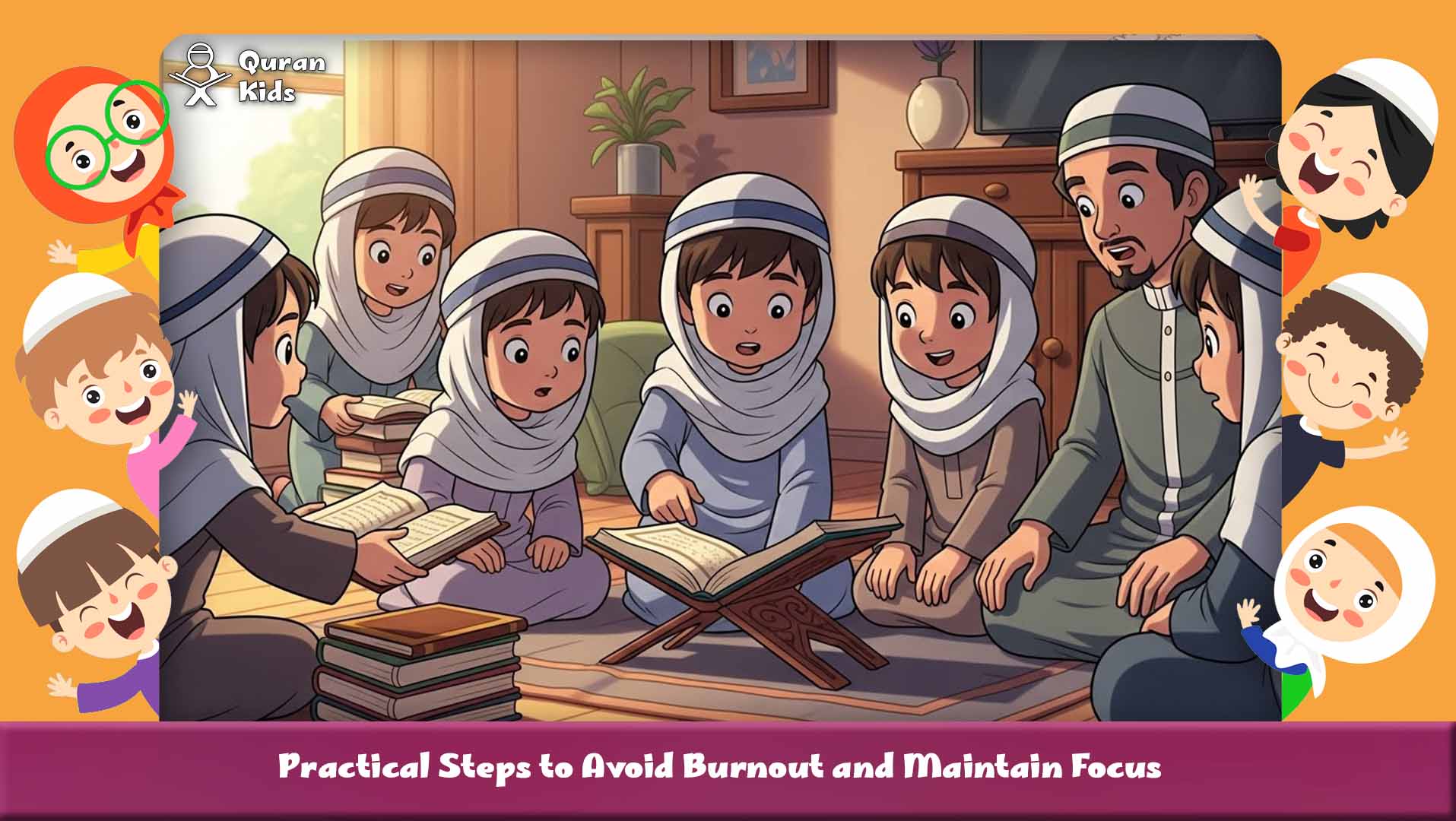
Sustaining motivation is challenging when learning from home, where distractions are numerous and motivation can naturally fluctuate. Strategies are needed to manage these challenges.
Mastering the Art of Isolating Challenges
The fastest way to solve a recurring recitation problem is to dedicate a short, focused session to that single challenge. Therefore, instead of getting frustrated during general reading, the child should engage in “micro-drill” sessions to master specific letters or Tajweed rules. Furthermore, this focused practice is far more effective than hours of general reading without a specific objective. Consequently, isolating and conquering challenges is an efficient technique for how to learn quran at home.
FAQ: Essential Questions on Learning Quran at Home
We address common queries from parents in countries like Canada, the UK, and the USA about structuring their child’s Quranic education journey at home.
1- Should my child memorize the entire Quran before understanding the meaning?
It is highly recommended that children read a trusted translation to understand the meaning before committing heavily to memorization. Therefore, understanding the message brings the verses closer to the heart, deepening the connection and making the memorization process more personal and memorable
2- What should a child do if they consistently make mistakes in recitation?
Mistakes are a natural and unavoidable part of the learning process, even for the best reciters. Therefore, children should be encouraged to continue practicing, as the Prophet ﷺ taught that a person who struggles and stumbles through recitation receives a double reward.
3- Is it acceptable to use a foundational book like the Noorani Qaida before the Mushaf?
Yes, using a foundational text like the Noorani Qaida is a highly effective initial step for beginners. Therefore, this tool is specifically designed to perfect the child’s pronunciation of each letter and its qualities before they attempt to manage the complexity of full Quranic verses.
4- How does the academy support mothers or older sisters who wish to learn simultaneously?
We understand the need for a comfortable learning environment for female family members. Therefore, we specifically offer dedicated Online Quran Classes for Sisters with highly qualified female tutors and dedicated supervisors.
5- Can my child track their long-term progress visually to stay motivated?
Yes, tracking progress visually is a powerful motivator for children. Therefore, students are encouraged to keep a simple learning journal or a checklist of the Surahs they want to read or memorize. Checking off mastered goals provides a satisfying visual reminder of their success in it at home.
6- What essential information does the monthly progress report provide to parents in Canada?
The monthly progress report provides a detailed picture of the child’s Hifz journey. Therefore, the report highlights areas of strength, parts that need more focus and improvement, performance, behavior, and personalized recommendations from the expert tutor.
7- If we are new to Islam, where should we start in the Quran?
If a child is new to Islam or exploring the Quran for the first time, they should start by reading short Surahs like Al-Fatiha, Al-Ikhlas, Al-Falaq, and An-Nas. Therefore, these short chapters help the heart internalize the Quran immediately, building a foundational connection and confidence in how to learn quran at home.
in conclusion, quran kids provides a structured, supportive, and expert-led answer to how to learn quran at home for children in Canada and beyond.
By combining a disciplined schedule, essential tools, and the guidance of certified tutors, your child can build a profound and lasting relationship with the Holy Quran.
See more: Online Arabic lesson