Arabic Letters for Kids 2026 – powerful inspiring start
Arabic letters are the foundation of both language learning and Quran recitation. At Quran Kids Academy, teachers introduce each letter through stories, visuals, and interactive exercises rather than flat memorization. Parents can also explore online Arabic lessons for kids for engaging support that helps children build up step by step. Children enjoy tracing, pronouncing, and recognizing letters until they stick. A simple next step from there is structured Arabic classes online, which make early learning easier to build on. Once this foundation is solid, kids can confidently progress to words, sentences, and eventually Quranic verses.
Why Arabic Letters Matter So Much
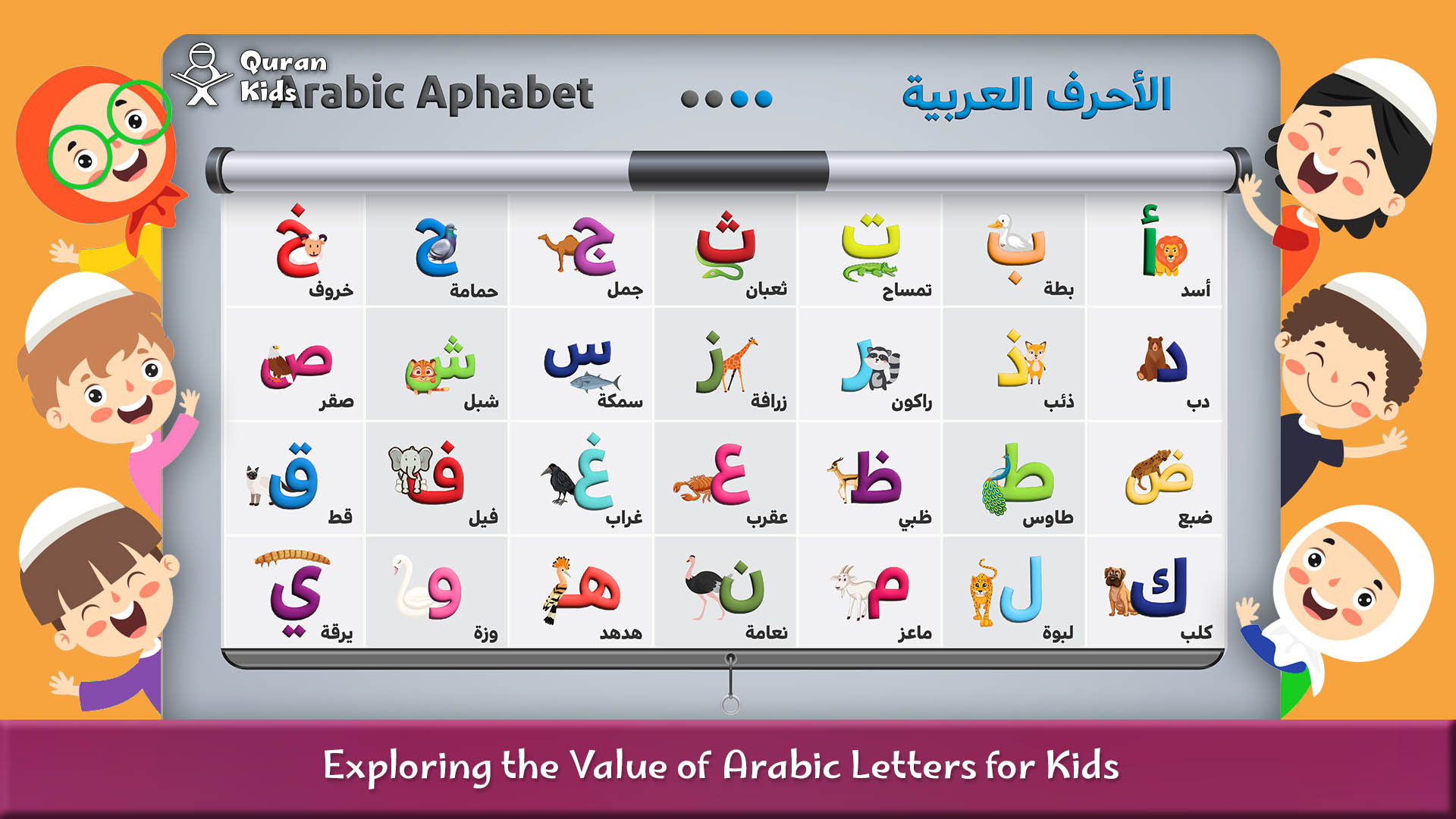
Learning Arabic letters is the foundation of understanding both the Quran and the Arabic language more broadly. Each letter carries its own sound, shape, and meaning, making it the real first step in building literacy. For young learners, mastering these letters opens the door to reading, writing, and eventually understanding the words of the Holy Quran for kids. Parents hoping to nurture their children’s faith often see Arabic letters as the natural starting point.
Educators put real weight on both the spiritual and educational side of teaching Arabic letters. By presenting the alphabet in a structured, engaging way, the goal isn’t just memorization but genuine appreciation for what each letter represents. This builds academic and religious understanding together, from an early age. Before moving into full recitation, our Noorani Qaida course gives children a solid grounding in the letters and their correct pronunciation.
The value of Arabic letters goes beyond education. It strengthens a child’s connection to Islamic identity. When kids begin to read the Quran through learning the alphabet, they build a real sense of pride and belonging. Arabic letters aren’t just symbols, they’re keys to culture, faith, and communication. With the right guidance, children gain genuine confidence reciting the Quran fluently.
Learn also: How to Learn The Quran for Beginners
How Teaching Arabic Letters Actually Works
Teaching Arabic letters well takes creativity and real dedication. Families can also explore online Arabic lessons for guided study that supports children from the basics. Tutors combine interactive lessons, digital resources, and personalized instruction, so each child learns at their own pace rather than being pushed through a fixed schedule. Games, flashcards, and engaging visuals keep lessons fun while reinforcing memory naturally.
Quranic examples are woven into lessons throughout. By showing children how Arabic letters form actual words from the Quran, they see practical, immediate applications of what they’re learning. Learners who want to connect letters with meaning can also explore Learn Quranic Arabic Online. This helps children not only memorize letters but connect them to verses and recitation, strengthening both academic and spiritual growth at once.
Live sessions with qualified instructors round this out, with teachers who specialize in working with children. Parents tend to appreciate the balance of discipline and encouragement. Through repetition, storytelling, and hands-on activities, children pick up the shapes and sounds of Arabic letters naturally, keeping learning joyful without losing the seriousness of the material.
Why Starting Young Makes a Real Difference
Introducing Arabic letters early offers lasting benefits. The younger a child is, the easier it tends to be for them to absorb new sounds, shapes, and writing techniques. Families can also learn Arabic for kids through guided lessons that build confidence from an early age. That early exposure builds strong memory retention, which becomes the foundation for advanced Quranic study and language skills later on.
Starting early also helps children move into reading the Quran with real accuracy, avoiding a lot of confusion down the line. Kids who master letters young are more likely to develop a lasting love for recitation and memorization, making Quran learning for kids feel less stressful and more enjoyable overall.
Beyond the religious side, early learning also builds cognitive skills like focus, problem-solving, and creativity. Recognizing letters and their sounds trains the brain in ways that carry over into academic performance generally. Parents who start their children young are investing in both Islamic education and broader intellectual development.
Learn also: learn quran tafsir online
Structured, But Still Fun
Children learn best when lessons are structured and engaging at the same time. Programs are built to progress step by step, without skipping important fundamentals along the way. Parents can also consider an Arabic course for kids for a structured path from letters through to reading practice, with each session built around repetition and reinforcement.
At the same time, interactive games, coloring letters, and singing songs keep the process exciting. Kids stay more motivated when learning feels like play rather than a task. Combining that entertainment with real discipline keeps children engaged while they master the alphabet. For extra, age-appropriate practice, parents can also explore Arabic classes for children.
This mix of structure and enjoyment builds consistency. Parents often notice their children genuinely looking forward to classes and practicing at home unprompted. When learning stays both structured and enjoyable, children retain more and develop a lasting, positive attitude toward Arabic and Quranic education.
Why Parents Trust This Approach
Parents looking for a reliable Arabic letters program often choose Quran Kids Academy for its track record. Families in the United Kingdom can also explore Arabic for Kids UK for flexible lessons suited to children there. The combination of experienced teachers, modern tools, and Islamic values creates an environment parents can genuinely trust, knowing their children are getting authentic, accurate instruction.
A personalized approach matters here too. Teachers understand that every child has different strengths and challenges, adapting lessons rather than sticking to one script. Parents notice steady progress without unnecessary pressure, and open communication between teachers and families reinforces that trust over time.
There’s also real attention paid to Islamic upbringing beyond just the letters themselves. Manners, respect, and love for the Quran get woven in alongside the academic content, which is part of why families keep coming back.
learn more: arabic for kids
Building Character Alongside Literacy
Learning Arabic letters isn’t only about literacy, it plays into character development too. Children are taught the spiritual weight behind the letters and words they learn, building a deeper connection to their faith and a sense that every letter of the Quran carries meaning.
As children progress, they begin picking up Islamic manners like patience, respect, and discipline almost by osmosis. Repetition and careful recitation build perseverance, while group lessons encourage cooperation and empathy. Parents often notice real, visible changes in behavior as their children grow in their studies.
The goal throughout is for Arabic education to support both mind and heart together. By linking letters to the stories of the prophets and the teachings of the Quran, children come to understand that this learning is about more than reading, it’s about living according to Islamic values.
See also: quran translation for kids
From Letters to Reading, Writing, and Speaking
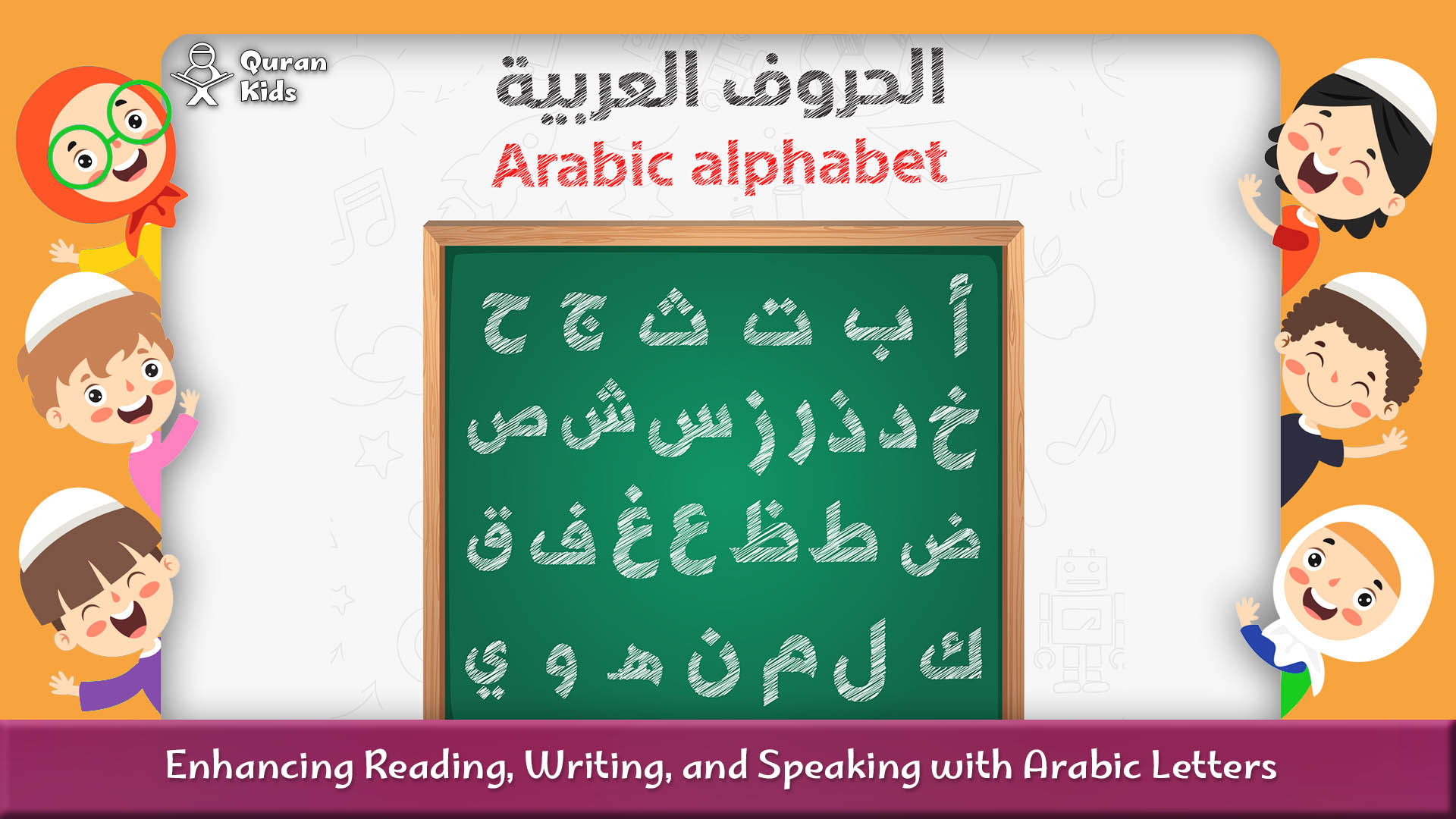
Mastering Arabic letters is the gateway to full language skills. Once children recognize letters reliably, they’re gradually introduced to reading simple words, writing exercises, and pronunciation practice, a three-step process that builds balanced growth across reading, writing, and speaking.
Reading gets easier as children learn to connect letters into Quranic words. Writing exercises improve hand coordination and memory, while speaking activities build real confidence in pronouncing sounds correctly. Daily practice, even in small amounts, strengthens fluency over time. Families can also learn Arabic for children through guided reading, writing, and pronunciation practice.
As kids move from letters to full language use, they gain the ability to understand Quranic verses independently rather than just recite them. Parents appreciate seeing their children comprehend what they read, not just memorize it, an approach that equips them with skills that last well beyond childhood.
See also: learn Quran for kids
Frequently Asked Questions About Arabic Letters for Kids
1. At what age can children start learning Arabic letters?
Most children can begin as early as age four or five, with beginner-friendly lessons tailored to young learners.
2. How long does it take to master Arabic letters?
With regular practice, many children recognize and write all the letters within a few months. Progress depends a lot on consistency at home and in class.
3. Do kids need prior knowledge of Arabic?
No. These programs are designed for absolute beginners with no previous background at all.
In conclusion, mastering Arabic letters is the first step toward both language skills and meaningful Quran study for kids.
See more: Online Arabic lessons for kids
Starting With Shapes Before Sounds
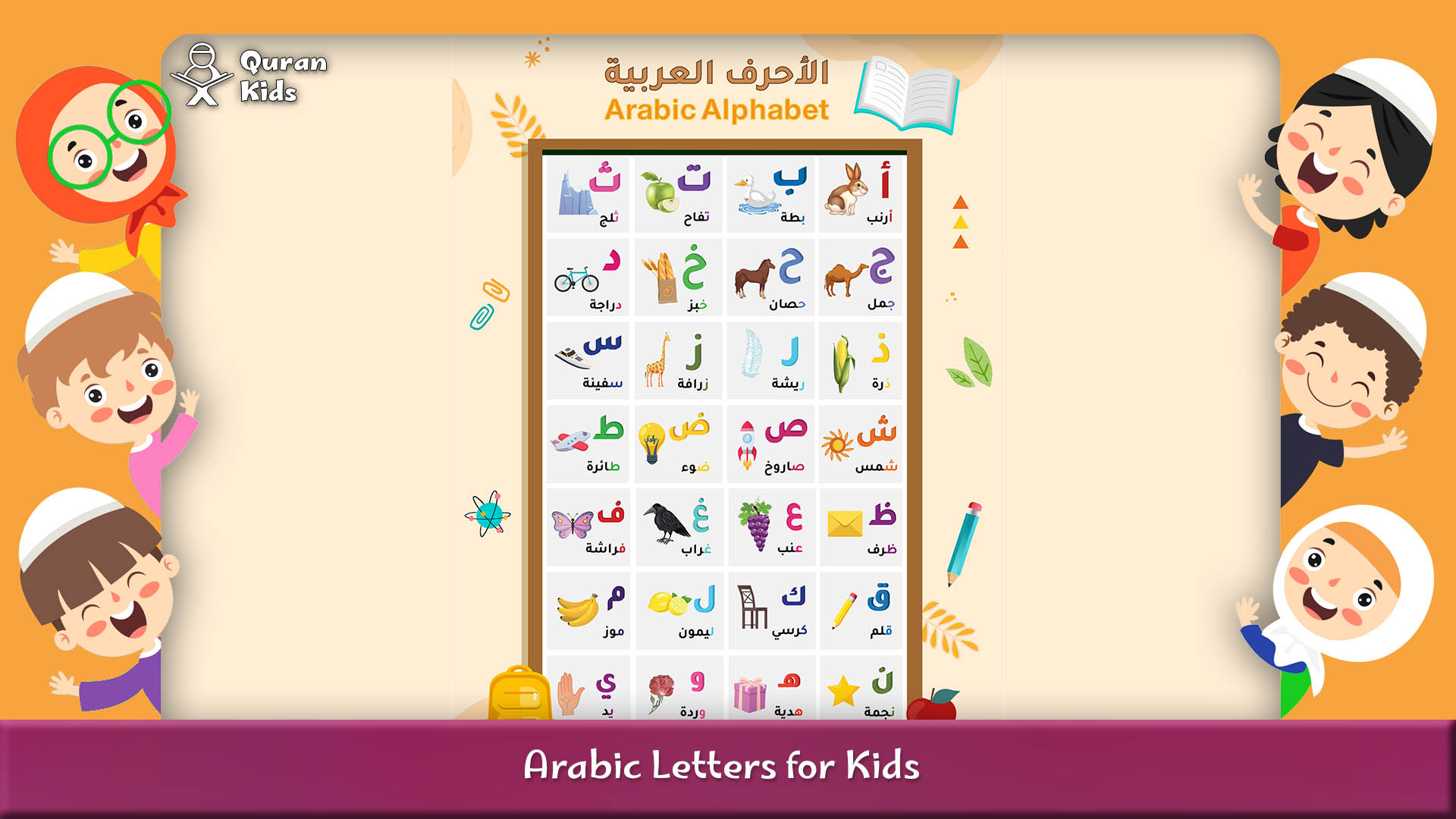
Before a child can read Arabic, they need to become comfortable simply recognizing the shape of each letter. Effective early lessons spend considerable time on this visual recognition stage, using colorful charts, tracing exercises, and repeated exposure so that each letter’s shape becomes instantly familiar. Rushing past this stage tends to create shaky foundations that cause difficulty later on, so patient teachers resist the urge to move too quickly.
Connecting Letters to Their Sounds
Once shapes are familiar, the next step is connecting each letter to its correct sound. This is often where games prove especially useful, matching games, sound bingo, and simple songs all help cement these connections in an enjoyable way rather than through dry repetition alone. Children who learn sounds through play tend to retain them more reliably than those who only memorize them by rote.
Practicing Letters in Different Positions
Arabic letters change shape depending on whether they appear at the beginning, middle, or end of a word, which can initially confuse young learners. Structured practice that specifically addresses these positional changes, rather than assuming a child will figure it out independently, makes a significant difference in how quickly and confidently a child begins reading full words.
Patience Pays Off
Learning the Arabic alphabet takes time, and children progress at different speeds depending on their age, exposure, and individual learning style. Parents who remain patient through the early weeks, resisting the urge to compare their child’s pace to others, tend to see steadier and more confident progress than those who push too hard too soon. Consistency, not speed, is what ultimately produces lasting results.
Celebrating each new letter mastered, no matter how small the milestone may seem, keeps a child’s enthusiasm alive and turns what could be a tedious task into something genuinely rewarding for the whole family to share in together.
With time, patience, and steady encouragement, even children who start out hesitant with the alphabet often surprise their parents with how quickly their confidence grows once the early shapes finally click into place.
Reading a few extra minutes each evening, even from a simple alphabet chart on the wall, reinforces classroom lessons far more than parents often expect and helps letters stay fresh in a young learner’s mind.
Every child learns at their own pace, and comparing one child’s progress to another rarely helps, what matters most is steady forward movement, however gradual, paired with genuine encouragement at each stage of the journey toward confident reading.
With the right blend of patience, playful practice, and consistent daily exposure, most children reach real reading confidence within a matter of months rather than years, a pace that surprises many parents who expected the process to take far longer.
Ask your child’s teacher for a quick progress check every few weeks.