What Is Taqwa in Islam? Meaning and Importance
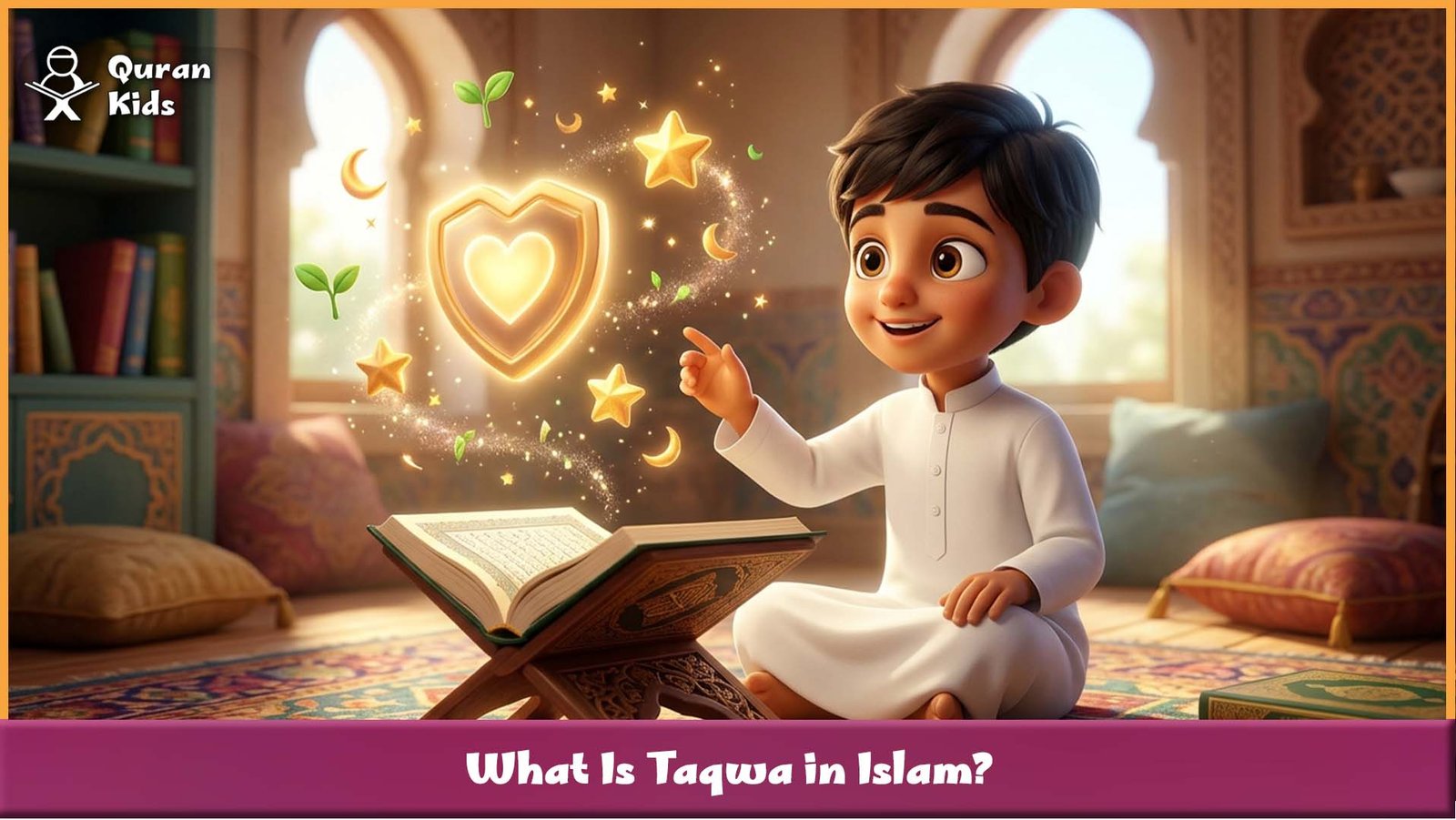
What is taqwa in Islam? It is the awareness of Allah that encourages Muslims to obey His commands, avoid what He has forbidden, and make choices that please Him. Taqwa is more than performing religious duties; it is a way of living that influences a person’s thoughts, behavior, relationships, and daily decisions.
Understanding this important Islamic concept helps Muslims strengthen their faith and develop better character. Whether someone is learning the basics of Islam or seeking a deeper understanding of the Quran, learning about taqwa provides practical guidance for everyday life.
What Does Taqwa Mean in Islam?
The Arabic word Taqwa (تقوى) comes from a root associated with protection and guarding oneself. In Islamic teachings, it refers to protecting oneself from Allah’s displeasure by following His guidance and staying away from sinful actions.
When exploring what is taqwa in islam, it is important to understand that taqwa does not simply mean being afraid of punishment. Instead, it combines love for Allah, awareness of His presence, hope in His mercy, and a sincere desire to follow His instructions.
A person with taqwa tries to remember Allah in both public and private situations. For example, someone who refuses to cheat in business, even when nobody is watching, demonstrates an important aspect of taqwa.
Therefore, taqwa influences not only acts of worship but also honesty, patience, kindness, and personal responsibility.
The Importance of Taqwa in the Quran
Taqwa is mentioned throughout the Quran, highlighting its importance in a Muslim’s relationship with Allah.
Allah says:
“O you who have believed, fear Allah as He should be feared and do not die except as Muslims [in submission to Him].” (Surah Ali ‘Imran, 3:102).
This verse reminds Muslims to remain conscious of Allah and maintain their commitment to Islam throughout their lives.
Another important verse explains:
“Indeed, the most noble of you in the sight of Allah is the most righteous of you.” (Surah Al-Hujurat, 49:13).
This teaches that a person’s true value is not determined by wealth, appearance, nationality, or social position. Rather, righteousness and taqwa are essential measures of honor before Allah.
Understanding what is taqwa in islam also helps Muslims recognize that faith should be reflected in their actions, not only in their words.
How Can Muslims Develop Taqwa in Daily Life?
Developing taqwa is a continuous process. It requires sincere effort, regular worship, and a willingness to improve one’s behavior. Here are several practical ways Muslims can strengthen this quality.
1. Maintaining Regular Prayer
Performing the five daily prayers helps Muslims remember Allah throughout the day. Prayer also encourages discipline and provides regular opportunities to reflect on personal actions.
2. Reading and Understanding the Quran
Reading the Quran helps Muslims understand Allah’s guidance, learn about good character, and recognize actions they should avoid.
However, reading alone is not enough. Muslims should also reflect on the meanings of the verses and try to apply their lessons in everyday situations.
3. Avoiding Sinful Actions
A person develops taqwa by making conscious efforts to avoid lying, backbiting, cheating, injustice, and other prohibited behaviors.
For example, a student who refuses to copy another person’s answers during an examination demonstrates honesty and awareness of Allah.
4. Remembering Allah Frequently
Making dhikr, offering sincere dua, and remembering Allah during daily activities can strengthen a person’s connection with Him.
These practices encourage Muslims to pause before making decisions and consider whether their actions are consistent with Islamic courses for beginners teachings.
5. Choosing Good Company
Friends and social environments can influence a person’s behavior. Spending time with people who encourage prayer, honesty, kindness, and good manners can support spiritual growth.
What Are the Signs of a Person Who Has Taqwa?
Taqwa is an internal quality, and only Allah fully knows what is in people’s hearts. However, Islamic teachings identify several behaviors that reflect righteousness and awareness of Allah. Common examples include:
- Honesty: Speaking truthfully and avoiding deception.
- Patience: Remaining calm during difficulties and responding appropriately.
- Humility: Treating others respectfully without arrogance.
- Self-control: Avoiding harmful desires and sinful behavior.
- Kindness: Helping others and treating family members and neighbors well.
- Accountability: Reflecting on mistakes and sincerely seeking forgiveness.
These qualities show how taqwa can influence different aspects of a Muslim’s life.
What Is the Difference Between Taqwa and Iman?
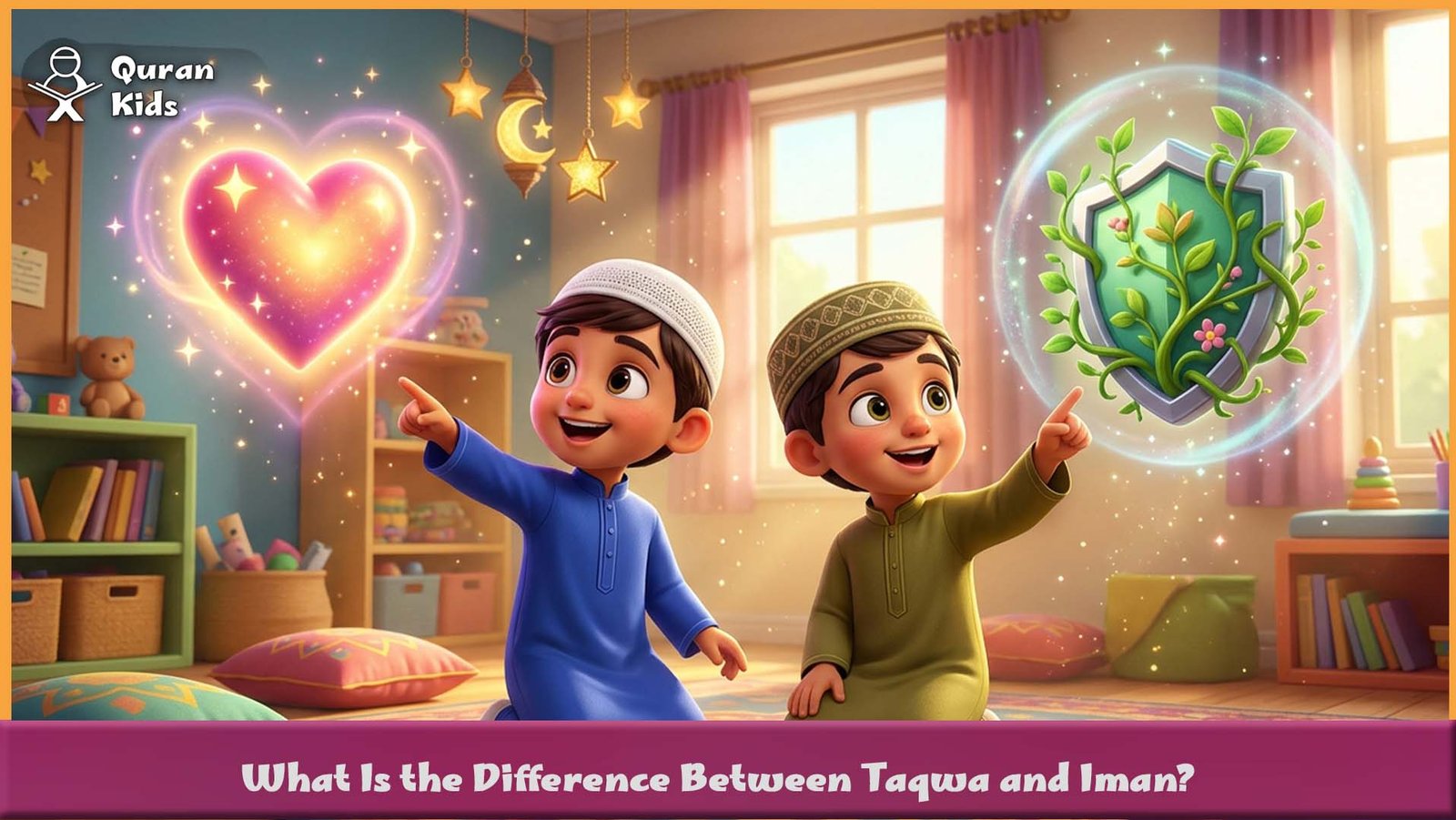
Iman refers to faith and belief in Allah and the fundamental principles of Islam. Taqwa, on the other hand, describes the awareness of Allah that encourages a believer to act according to that faith.
The two concepts are closely connected. Iman provides the foundation, while taqwa encourages Muslims to translate their beliefs into daily actions.
For example, a Muslim believes that Allah knows everything. Taqwa encourages that person to remember this belief when making decisions, dealing with others, or facing situations involving temptation.
When studying what is taqwa in islam, understanding this relationship makes it easier to see why faith and righteous behavior are closely connected.
How Can Parents Teach Children About Taqwa?
Parents can introduce taqwa to children through simple explanations and everyday examples rather than complicated religious terminology.
For instance, parents can teach children that Allah knows when they tell the truth, share their belongings, or help someone in need. They can also explain why honesty matters, even when parents or teachers are not present.Here are some useful approaches:
- Encourage children to perform prayers according to their age and ability.
- Read short Quranic verses and explain their meanings.
- Tell age-appropriate stories about the Prophets and righteous people.
- Reward positive behavior with encouragement.
- Demonstrate honesty, patience, and kindness at home.
Parents can also support structured Islamic education through Quran Kids Academy, where children can explore Quran learning and Islamic teachings in an organized learning environment.
For additional guidance on choosing a suitable learning method, parents can read about online quran classes vs quran apps and the differences between guided instruction and independent digital learning.
Children may also benefit from a live quran tutor vs quran learning software when parents are deciding how to support their learning needs.
The Role of Islamic Knowledge in Building Taqwa
Learning about Islam helps Muslims understand why certain actions are encouraged while others are prohibited. Religious knowledge also provides a foundation for making informed decisions and practicing Islamic teachings correctly.
Studying Islamic history, for example, introduces learners to the lives of the Prophets, important events, and lessons about faith and perseverance. An online islamic history course can help learners explore these topics in a structured way.
Similarly, learning to read the Quran correctly is an important part of religious education. Beginners may need support with fixing pronunciation errors in noorani qaida, while more advanced learners can explore the difference between tajweed and tarteel to improve their understanding of Quranic recitation.
Ultimately, knowledge becomes more meaningful when Muslims apply what they learn through sincere worship and good behavior.
Frequently Asked Questions About Taqwa
Find clear answers to common questions about taqwa, its importance in Islam, and how Muslims can develop it in their daily lives.
1. Is taqwa required for every Muslim?
Yes. Muslims are encouraged to develop taqwa and remain conscious of Allah throughout their lives. It is an essential quality of righteousness.
2. Can someone have taqwa without being perfect?
Yes. Human beings make mistakes. A person who has taqwa can still fall into sin, but should sincerely repent, seek forgiveness, and try to improve.
3. Does taqwa increase through worship?
Worship can strengthen taqwa when performed sincerely and accompanied by reflection and good behavior. Prayer, fasting, Quran reading, and dhikr all help Muslims develop greater awareness of Allah.
4. What is the greatest reward of taqwa?
Among its greatest rewards are Allah’s pleasure, His mercy, forgiveness, and the promise of Paradise for the righteous.
Conclusion
Understanding what is taqwa in islam helps Muslims recognize that true righteousness extends beyond religious rituals. It involves remembering Allah, following His guidance, avoiding wrongdoing, and treating others with kindness and justice.
Taqwa develops through consistent effort, sincere worship, beneficial knowledge, and self-reflection. By practicing these values, Muslims can strengthen their relationship with Allah and bring Islamic principles into every part of their lives.