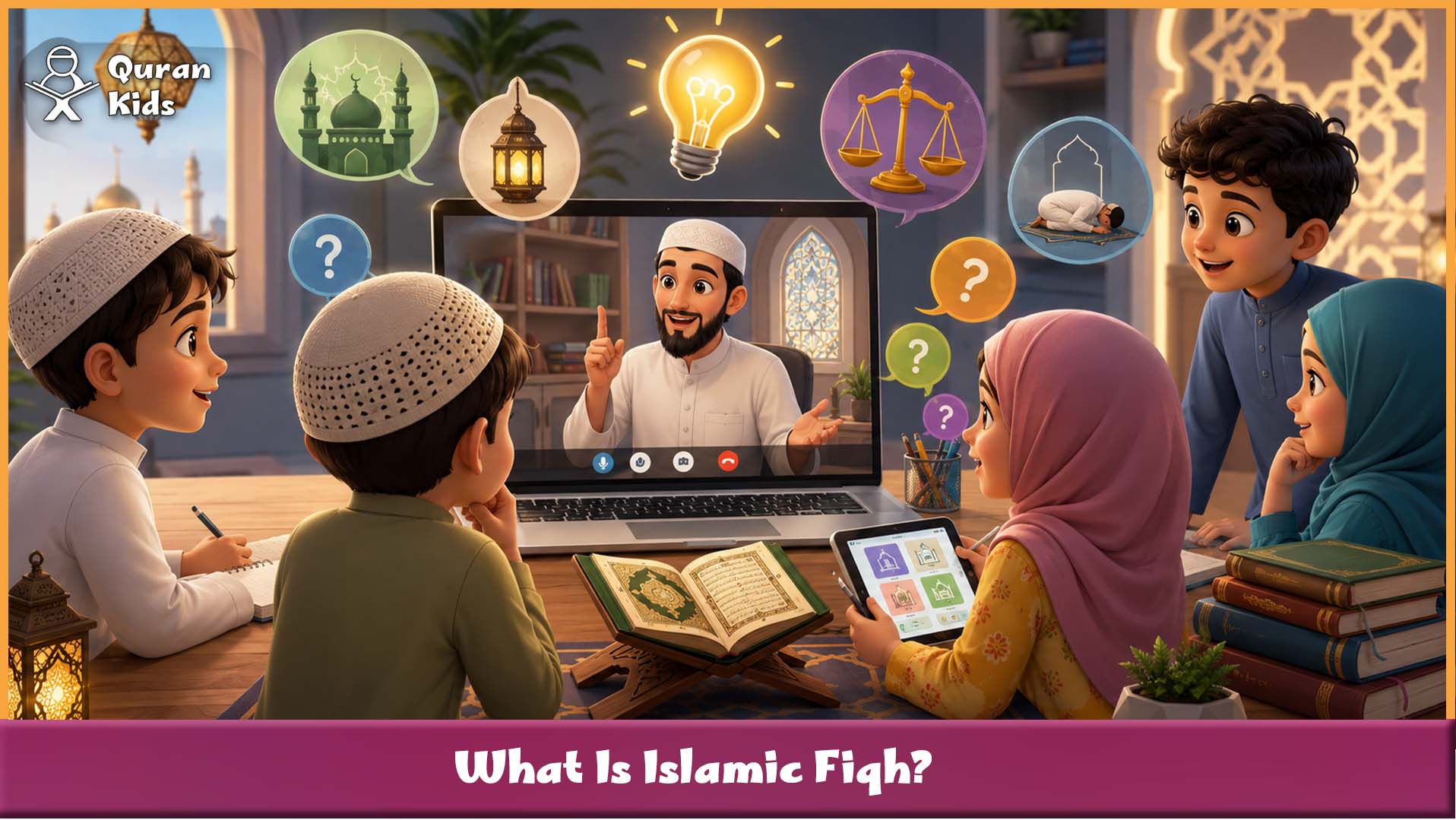
What Is Islamic Fiqh? A Complete Guide for Beginners
What is Islamic fiqh? This is one of the most common questions asked by Muslims, new converts, and anyone interested in understanding Islam more deeply. Islamic fiqh is not simply a collection of religious rules. Instead, it is the scholarly understanding of how Allah’s guidance is applied to everyday life through the Quran and the authentic Sunnah of the Prophet Muhammad ﷺ.
For more than fourteen centuries, Islamic scholars have studied the divine texts to help Muslims worship correctly, conduct business ethically, build strong families, and interact with society according to Islamic values. While the sources of Islam remain unchanged, the discipline of fiqh enables scholars to address new situations that arise in every generation.
Understanding Islamic fiqh also helps explain why qualified scholars sometimes reach different legal opinions while remaining committed to the same Quran and Sunnah. These differences reflect careful scholarship rather than disagreement over the foundations of Islam.
In this guide, you will discover the meaning of fiqh, how it developed, its primary sources, its objectives, and why it continues to play an essential role in the lives of Muslims around the world.
What Is Islamic Fiqh?
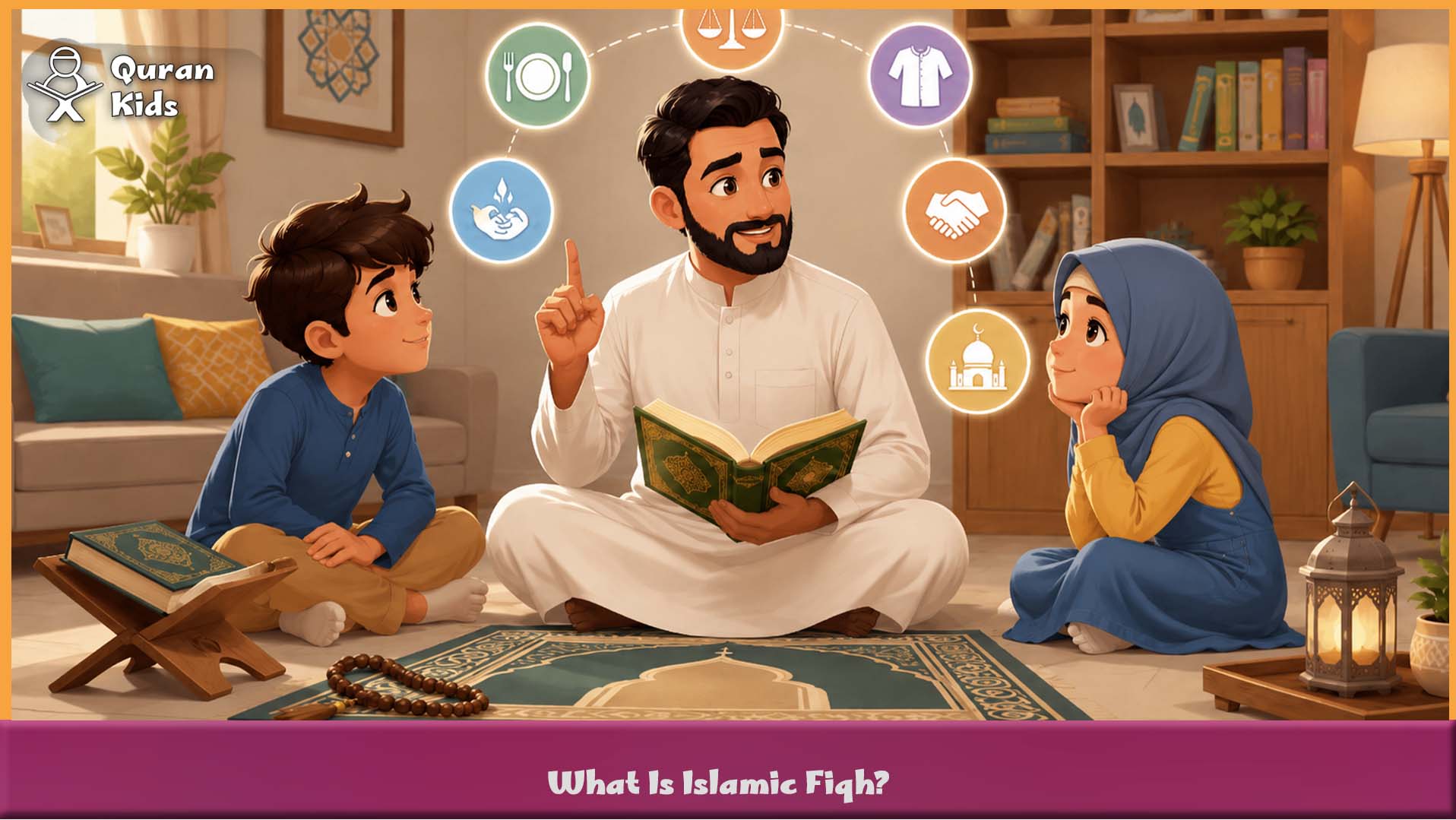
The answer to what Islamic fiqh is can be understood from both its linguistic meaning and its Islamic definition.
Linguistically, the Arabic word fiqh means deep understanding or profound knowledge. It refers to understanding a subject carefully rather than possessing only surface-level information.
In Islamic terminology, fiqh is the science through which qualified scholars derive practical rulings from the Quran and the authentic Sunnah. These rulings guide Muslims in matters of worship, family life, financial transactions, personal conduct, and social responsibilities.
Unlike ordinary learning, fiqh requires extensive knowledge of Quranic verses, authentic hadith, the Arabic language, legal methodology, and scholarly consensus. Scholars analyze evidence carefully before issuing any ruling.
Because of this rigorous process, Islamic jurisprudence remains one of the most respected branches of Islamic knowledge.
Build Your Child’s Future with Quran Academy for Children
Quran Kids Academy offers engaging and reliable online Quran lessons for children designed to fit busy family schedules. Our academy provides high-quality and affordable Quran education for students worldwide in a safe and supportive environment. We go into more detail on this in private online quran classes for kids.
We invite you to enroll your children in interactive classes taught by qualified Quran teachers using modern learning tools to make lessons enjoyable and effective. This ties in well with learning Quran online.
By choosing Quran Kids Academy, you support your child’s spiritual and educational growth through structured learning. Book a free trial session today and start your child’s Quran journey. We go into more detail on this in learn quran, online classes.

Understanding Islamic Fiqh and Sharia
Many people believe that Sharia and fiqh have the same meaning. Although they are closely connected, they describe two different concepts.
Sharia refers to the complete divine guidance revealed by Allah through the Quran and demonstrated by the Prophet Muhammad ﷺ. Since it comes directly from Allah, Sharia is perfect and unchanging.
Fiqh, however, represents the scholarly effort to understand and apply that divine guidance to practical situations. Scholars examine the available evidence and use recognized legal principles to determine how Islamic teachings apply to specific circumstances.
This distinction explains why different scholars may reach different conclusions on certain issues while remaining faithful to the same religious sources.Parents who are considering an online Quran learning program can review Is Quran Kids Academy Legit? to learn more about the academy and its learning approach.
Why Is Islamic Fiqh Important?
Islam is a complete way of life. Muslims need guidance not only when performing acts of worship but also when making decisions related to family, education, healthcare, business, finance, and community life.
Islamic fiqh provides this guidance by explaining how Quranic teachings should be practiced in real situations. Among its many benefits, fiqh helps Muslims:
- Perform prayer correctly.
- Understand the rules of fasting.
- Calculate and distribute Zakah properly.
- Conduct honest business transactions.
- Protect family rights.
- Resolve disputes fairly.
- Make ethical decisions in everyday life.
Without fiqh, many Quranic commands would remain general. Islamic scholarship explains how these commands are implemented practically while preserving their original meaning. Before starting classes, families can explore Free Trial Online Quran Class for Kids: What to Expect to understand what a trial lesson may include.
The Historical Development of Islamic Fiqh
To understand what Islamic fiqh is today, it is helpful to learn the Islamic basics for kids about how this discipline developed throughout Islamic history.
Its growth did not happen overnight. Instead, Islamic jurisprudence evolved gradually while remaining firmly connected to the Quran and the Sunnah. Parents should also review the Refund & Cancellation Policy for Online Quran Classes to understand the applicable terms before enrolling.
Islamic Fiqh During the Lifetime of the Prophet Muhammad ﷺ
The earliest stage of fiqh began during the lifetime of the Prophet Muhammad ﷺ.
Whenever Muslims faced a question, they asked the Prophet directly. In many cases, Allah revealed Quranic verses that clarified the issue. In other situations, the Prophet explained the ruling through his own words or actions.
For example, the Quran commands Muslims to establish prayer, while the Prophet demonstrated exactly how each prayer should be performed. Likewise, the Quran obligates Zakah, and the Prophet clarified who should pay it, how much is required, and when it becomes due.
This practical explanation became the Sunnah, which remains one of the primary sources of Islamic jurisprudence today. For older children, Online Quran Classes for Teenagers can provide useful information about Quran learning options designed for teenagers.
Islamic Fiqh During the Era of the Companions
After the passing of the Prophet Muhammad ﷺ, the Companions assumed the responsibility of teaching Islamic rulings to the rapidly growing Muslim community.
As Islam spread across different regions, Muslims encountered new cultures, commercial systems, and social situations.
The Companions always referred first to the Quran and the Sunnah. If no direct evidence addressed a particular issue, they exercised careful reasoning while remaining faithful to the objectives of Islamic law.
Their efforts established the foundations of systematic legal thinking that later scholars continued to develop.
The Growth of Islamic Jurisprudence
Over the following centuries, Islamic scholarship expanded significantly. Great scholars traveled across the Muslim world to collect authentic hadith, study Arabic grammar, analyze Quranic verses, and establish consistent legal methodologies.
Their work eventually led to the development of the well-known schools of Islamic jurisprudence. Although each school adopted slightly different legal methods, all remained committed to the same Quran and authentic Sunnah. This remarkable scholarly tradition continues to guide Muslims around the world today.
Related: Islamic Online School for.